STICKER PARTY
STICKER PARTY by Cara de Niño & Cromática, hosted by Pidgin Palace Arts
Cara de Niño is a collective founded in 2018 in Mexico City by artists from different states across the country. The group has been characterized by its exploration of unconventional exhibition formats. Its members come from multiple disciplines, ranging from painting, photography, and collage to illustration and other contemporary graphic practices.
For this exhibition, Galería Cromática and the artists of Cara de Niño, hosted by Pidgin Palace Arts Gallery, present Sticker Party, a graphic show centered around posters and a sticker exchange, designed as a playful, dynamic, and open experience. The main intention is for each artist to have full freedom of expression, allowing them to reflect their personal interests, explorations, and artistic practices without limitations.
The central theme of the show is stickers as symbols of friendship, exchange, and collective play. The exhibition seeks to recover the childlike and communal excitement of trading stickers – sharing and collecting, and engaging in dialogue through small graphic gestures.
Galería Cromática and Shannon Smith curate for Pidgin Palace Arts Gallery, fostering a dialogue between the Mexico City and Tucson Art Scenes, creating bridges and expanding reach with this visual celebration of creativity.
Sonia Rangel
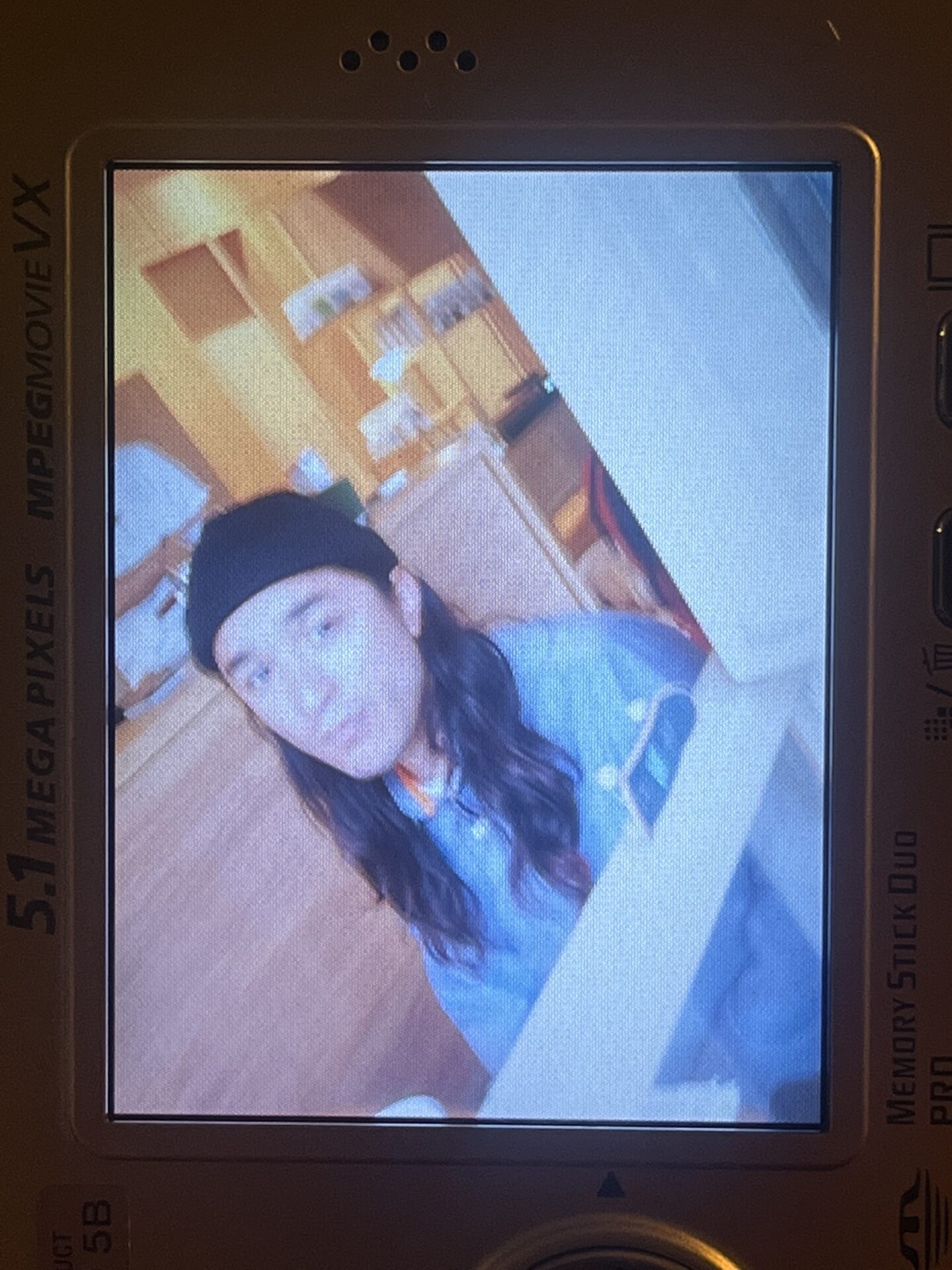
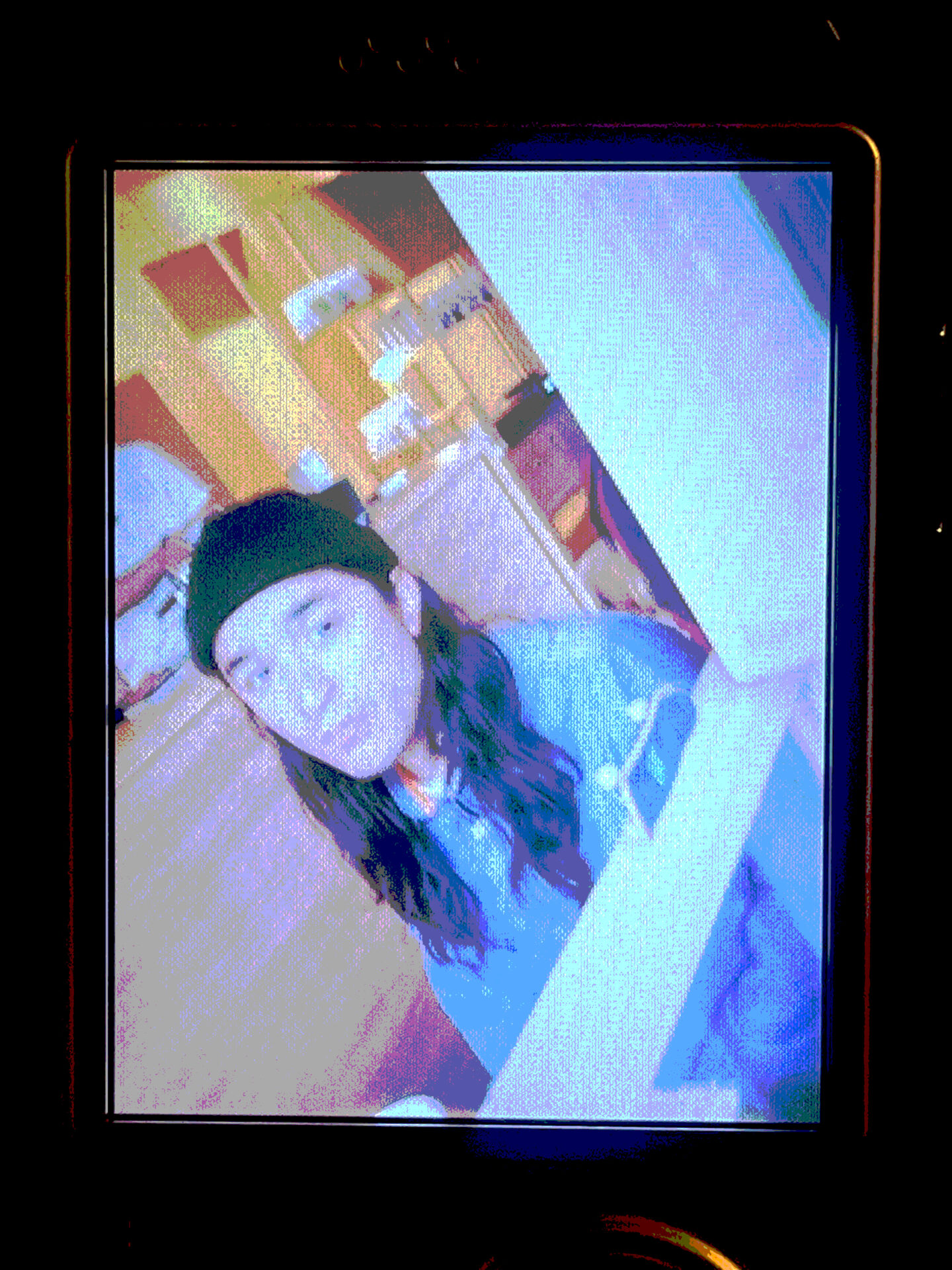
My work develops from the exploration of different techniques. Through them I have reflected on my life – sometimes from the perspective of death; not as a dark ending but as a way to remind us that life is not infinite and that every moment has an unrepeatable value. In recent years, pop culture, celebration, and my loved ones have become fundamental pillars of my inspiration. Through intervention and appropriation, I seek to recreate nostalgia and memory: to represent reality in a brighter and slightly surreal way, reconstructing the moments I have lived from an emotional, almost idealized perspective, as if memories were transformed into a more ordered or luminous version of themselves. Documenting my life and creating gelatin molds – ephemeral forms that decompose over time – allow me to speak about the fragility of existence and the transience of celebration. In video, I find a natural extension of this search: capturing moments, preserving memory, and building a kind of visual diary that oscillates between silliness and poetry.
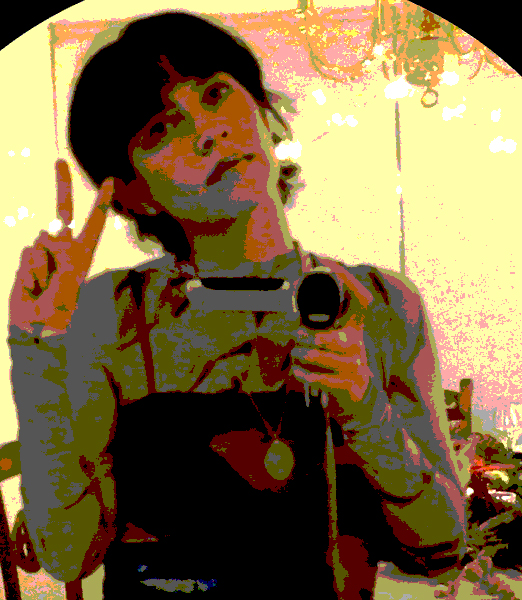
Javier Silva Pérez
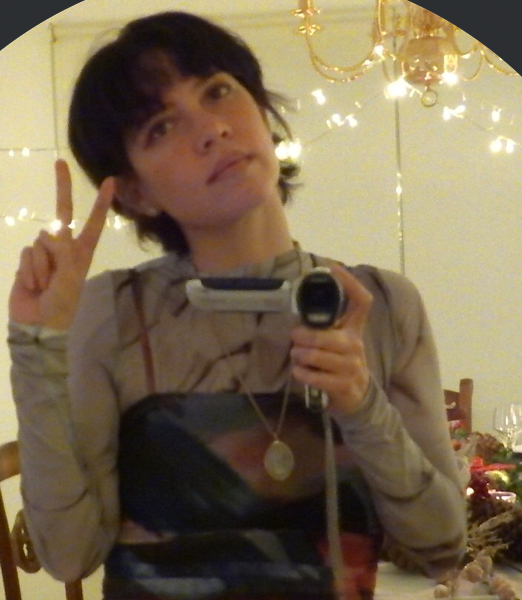
Javier Silva Pérez is an artist born in 1991 in San Luis Potosí, Mexico. He currently lives and works in Mexico City. He studied photography at the International Center of Photography in New York and cinematography at the Center for Design, Film and TV. Javier’s photography reflects the relationship between his inner thoughts and his inner self; within this relationship lies the outside world. By documenting this external world that surrounds him, he “saves” that moment and/or memory. This is especially true when he feels the need to capture it, even if that moment becomes merely a memory of the image he captured. The purpose of his photography is to discover who is inside looking at the outside world. It has become a perpetual documentation of daily life over the years. He works with what life gives him and with what he has learned along the way.
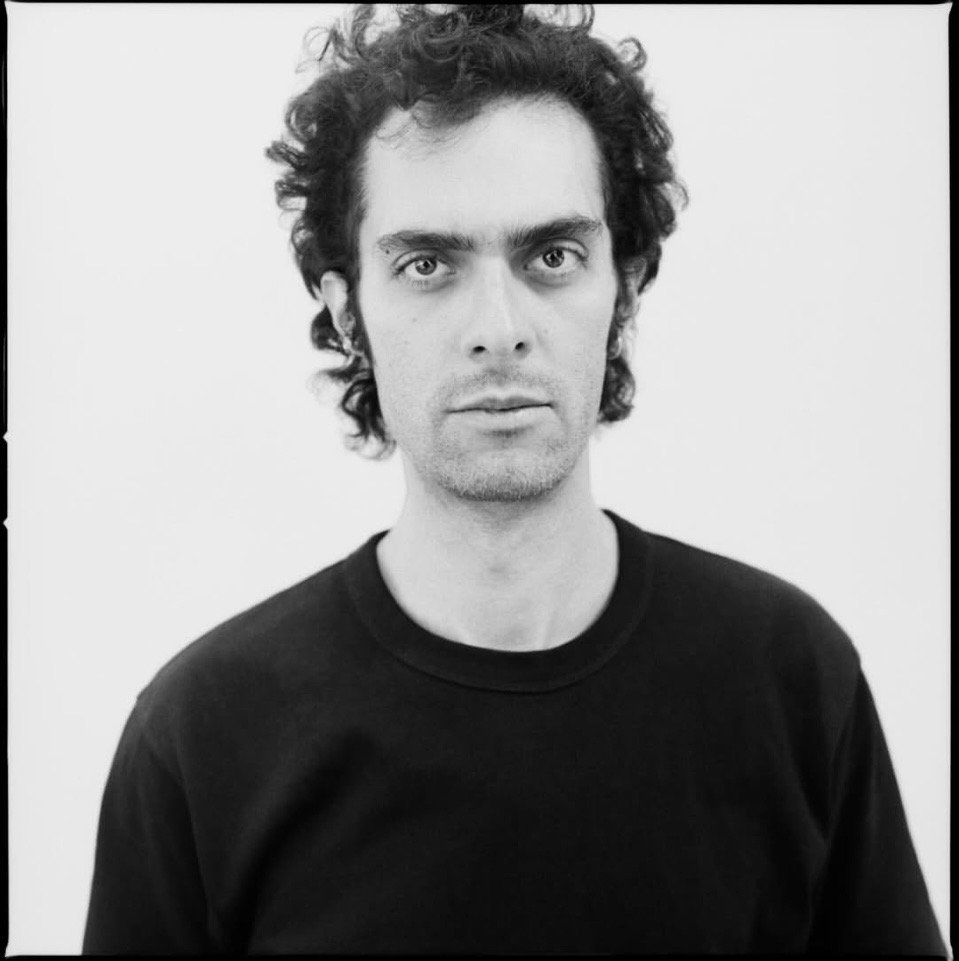
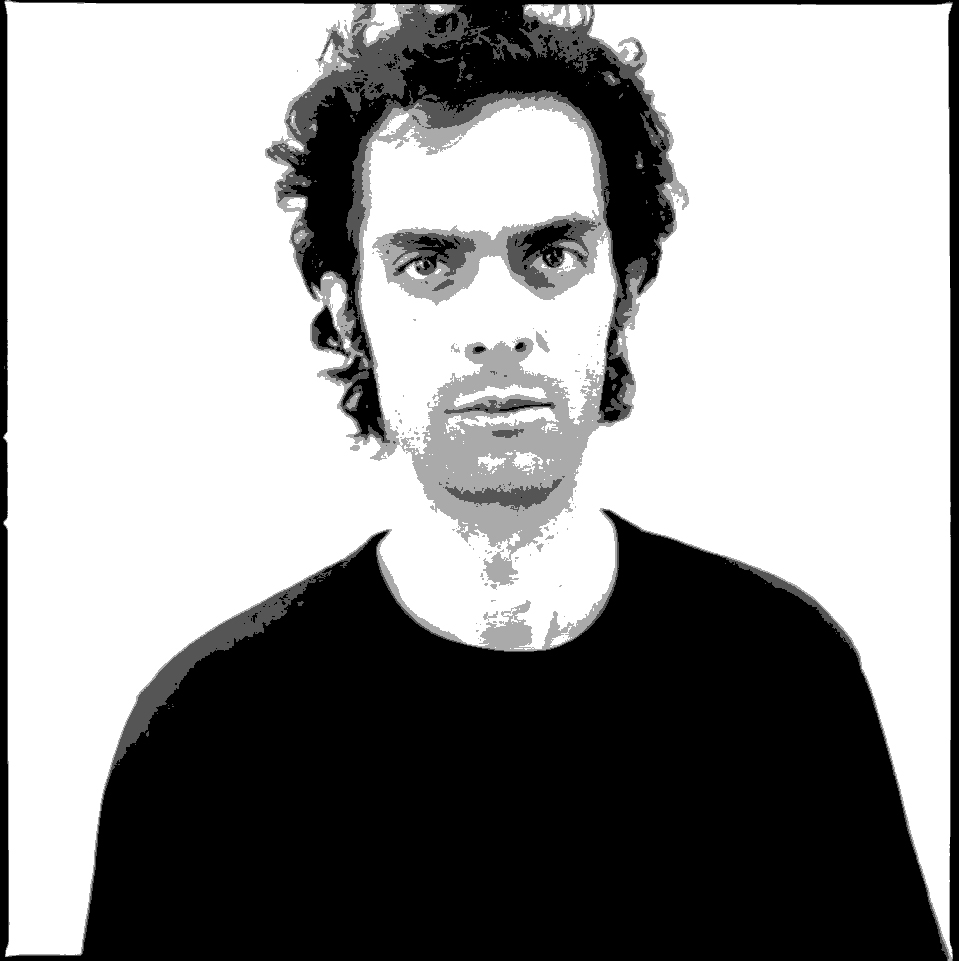

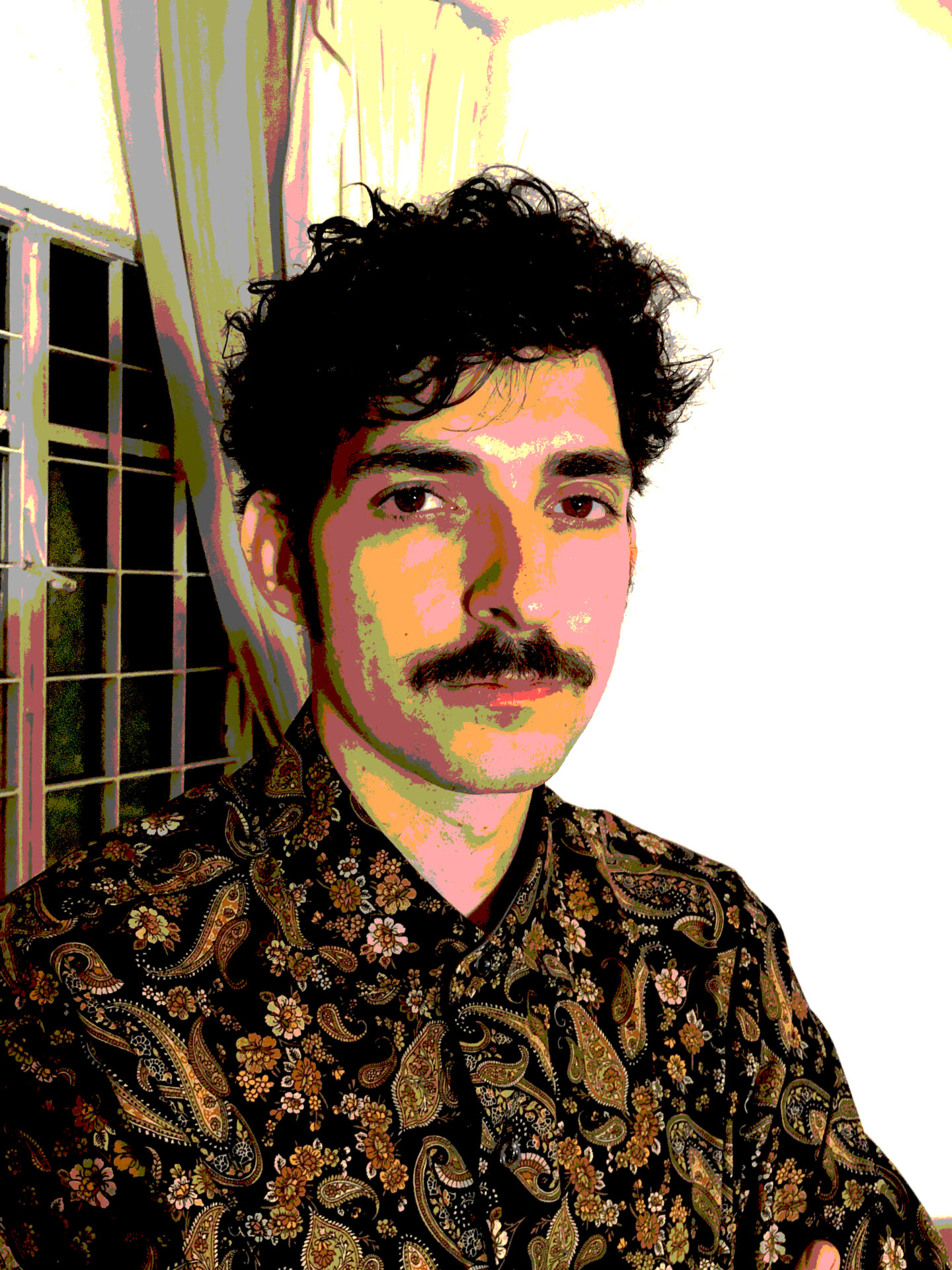
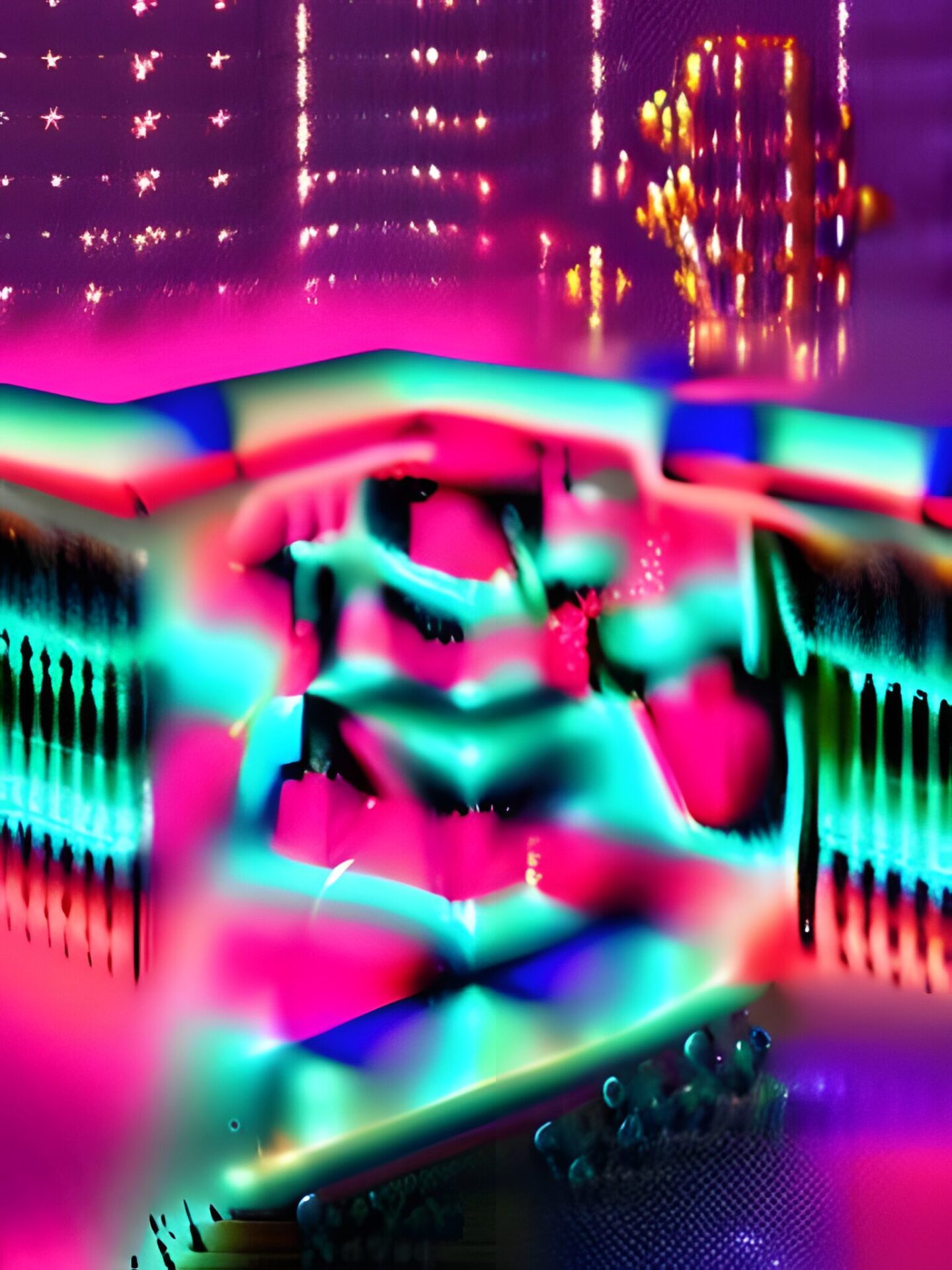
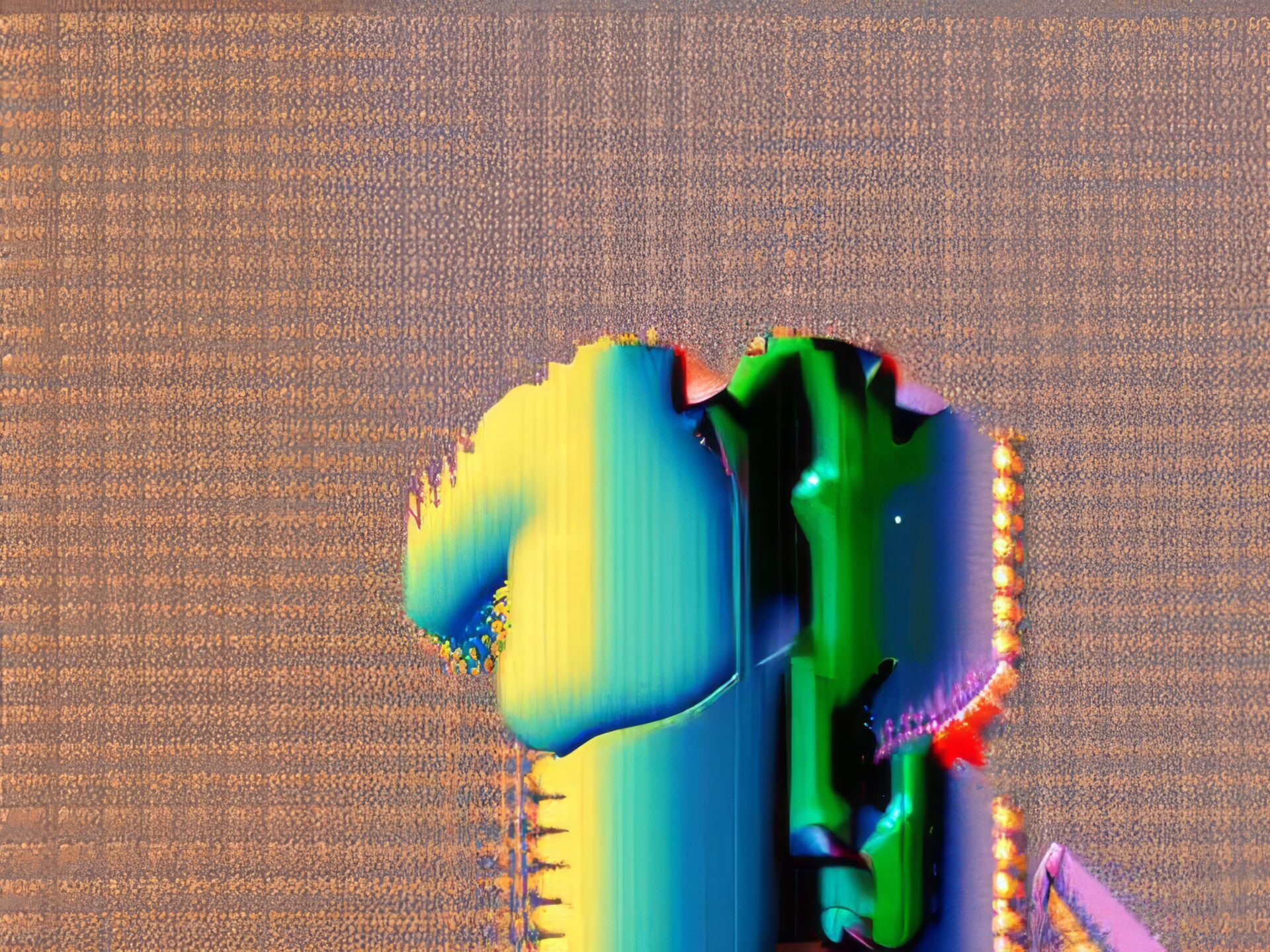
Juan Garcini
Juan Garcini is a multidisciplinary artist from Mexico City whose work blends cinema, digital painting, and introspective visual narration. His imagery explores liminal states, emotional abstraction, and the surreal logic of dreams. Working with digital techniques that echo traditional oil processes, he creates pieces that feel organic, luminous, and alive. Garcini’s practice centers on inner landscapes and the subtle tensions between chaos, memory, and transformation.
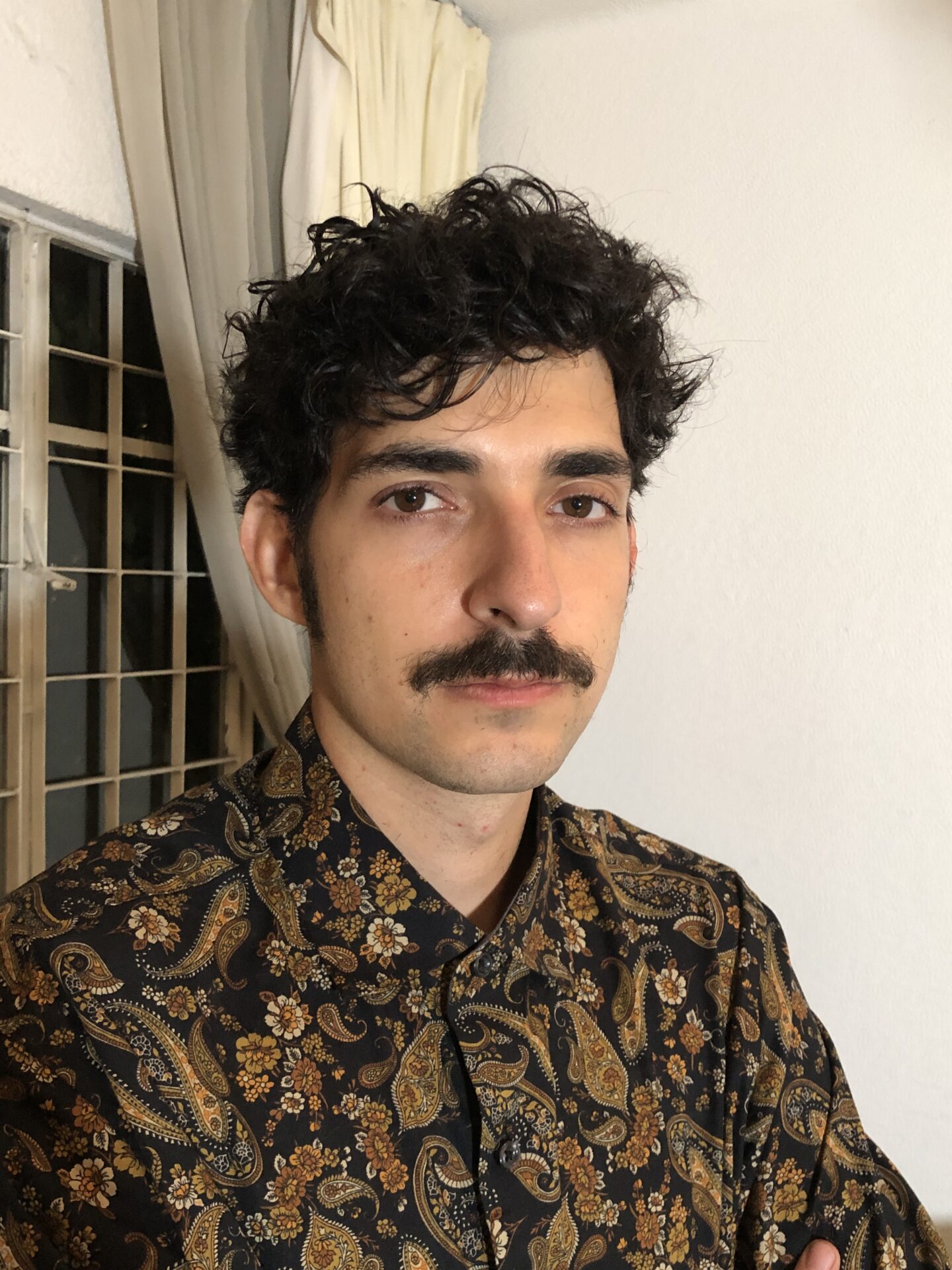
Ixchel Landa Canché
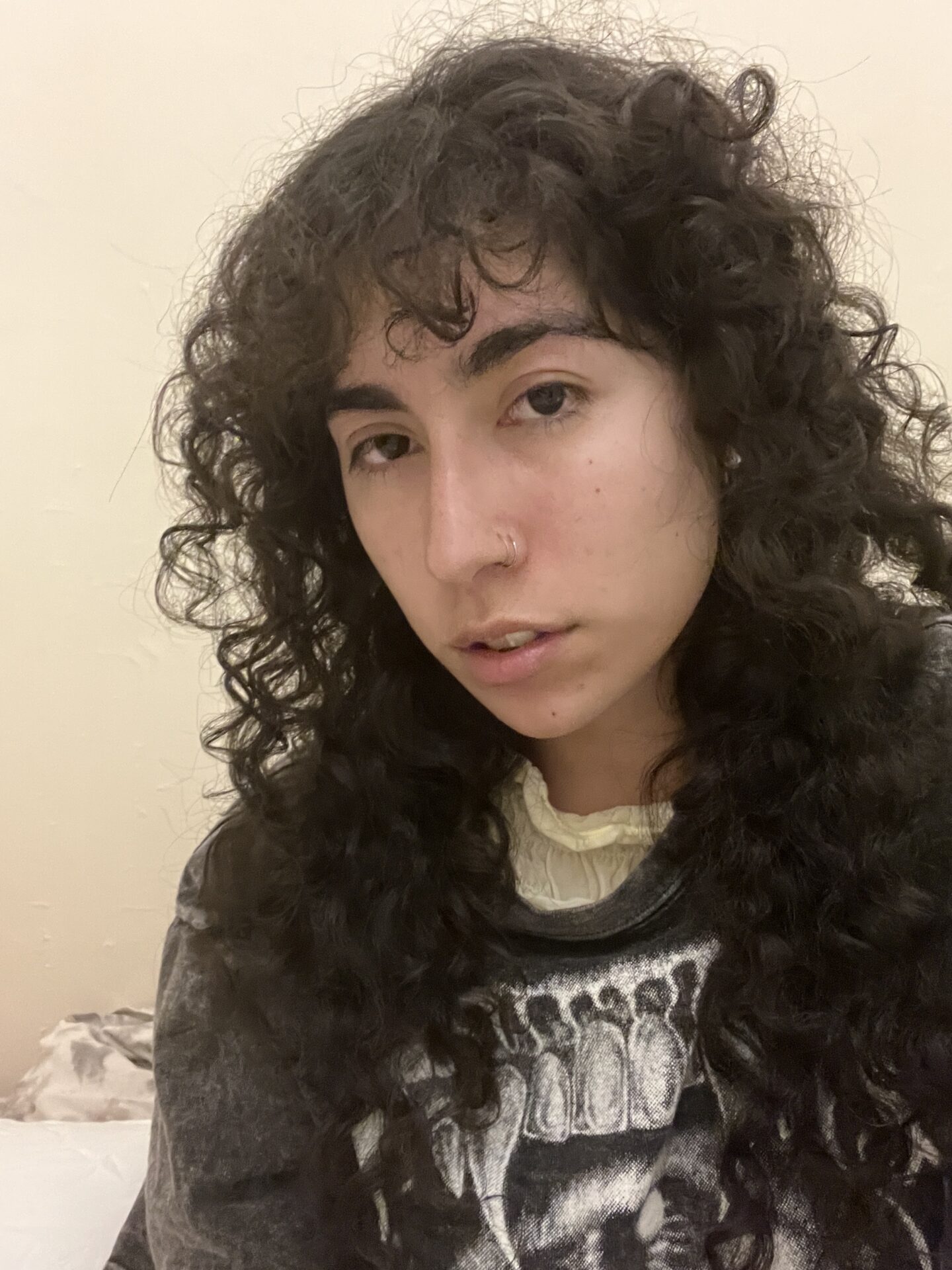
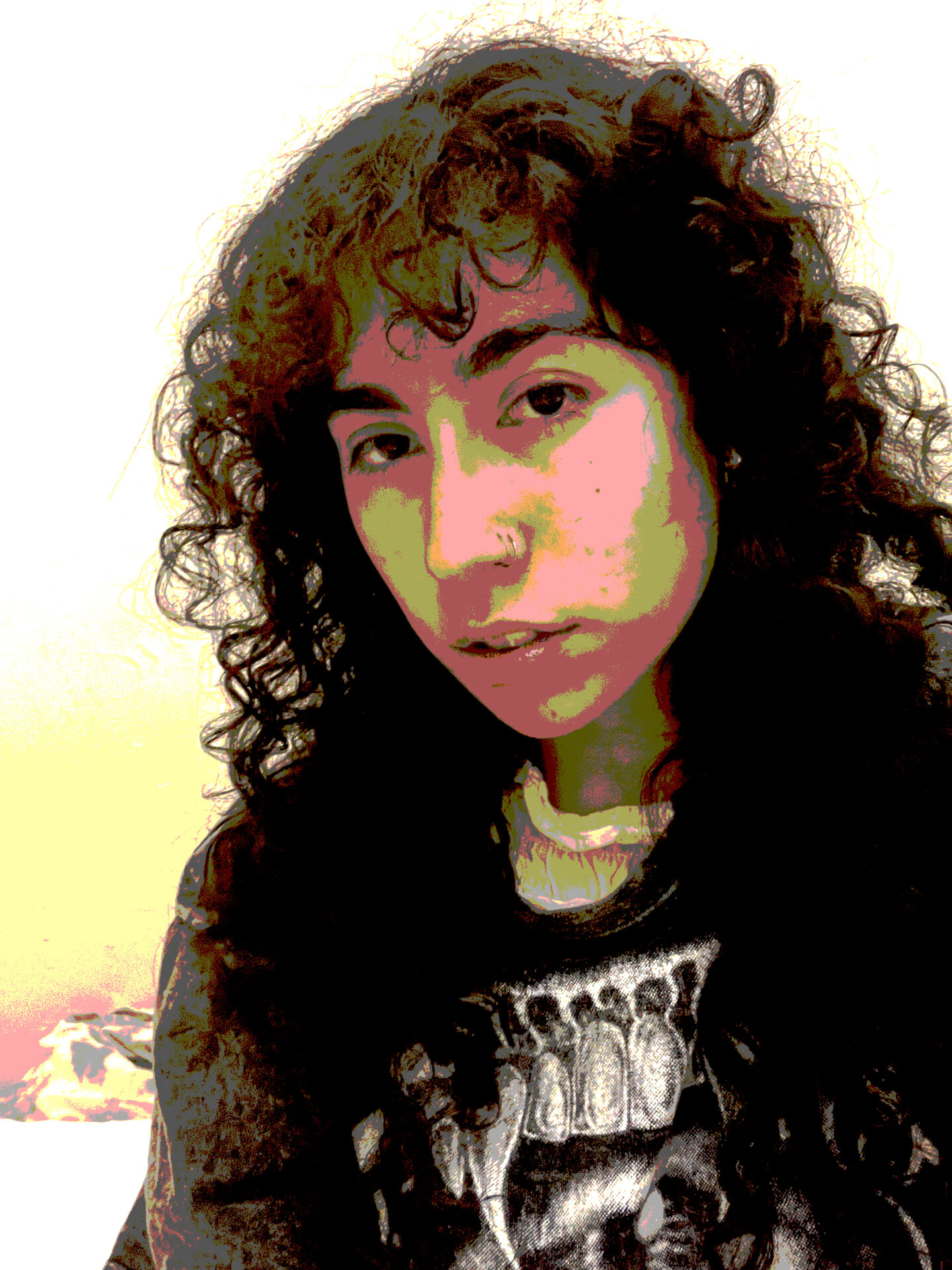
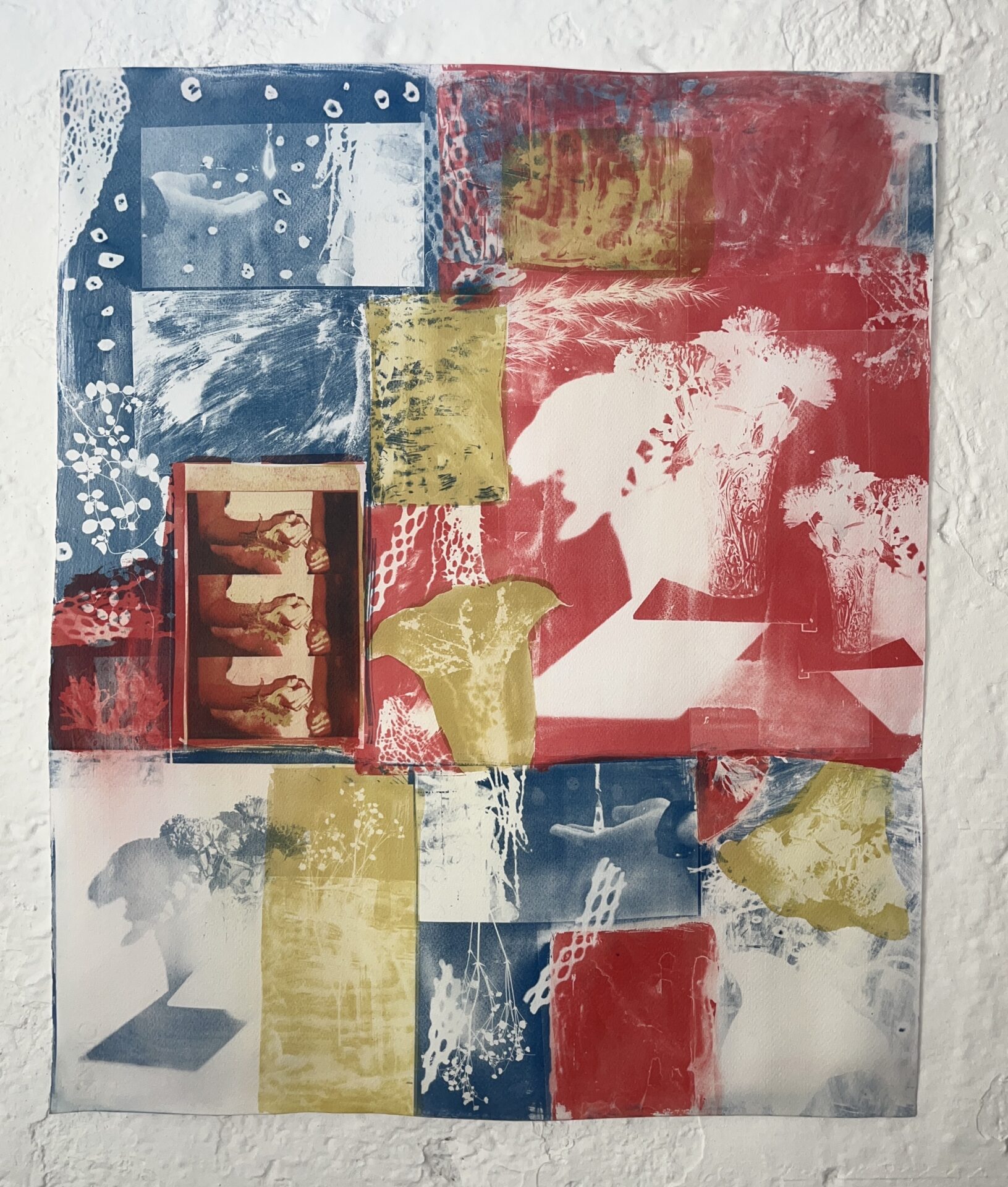
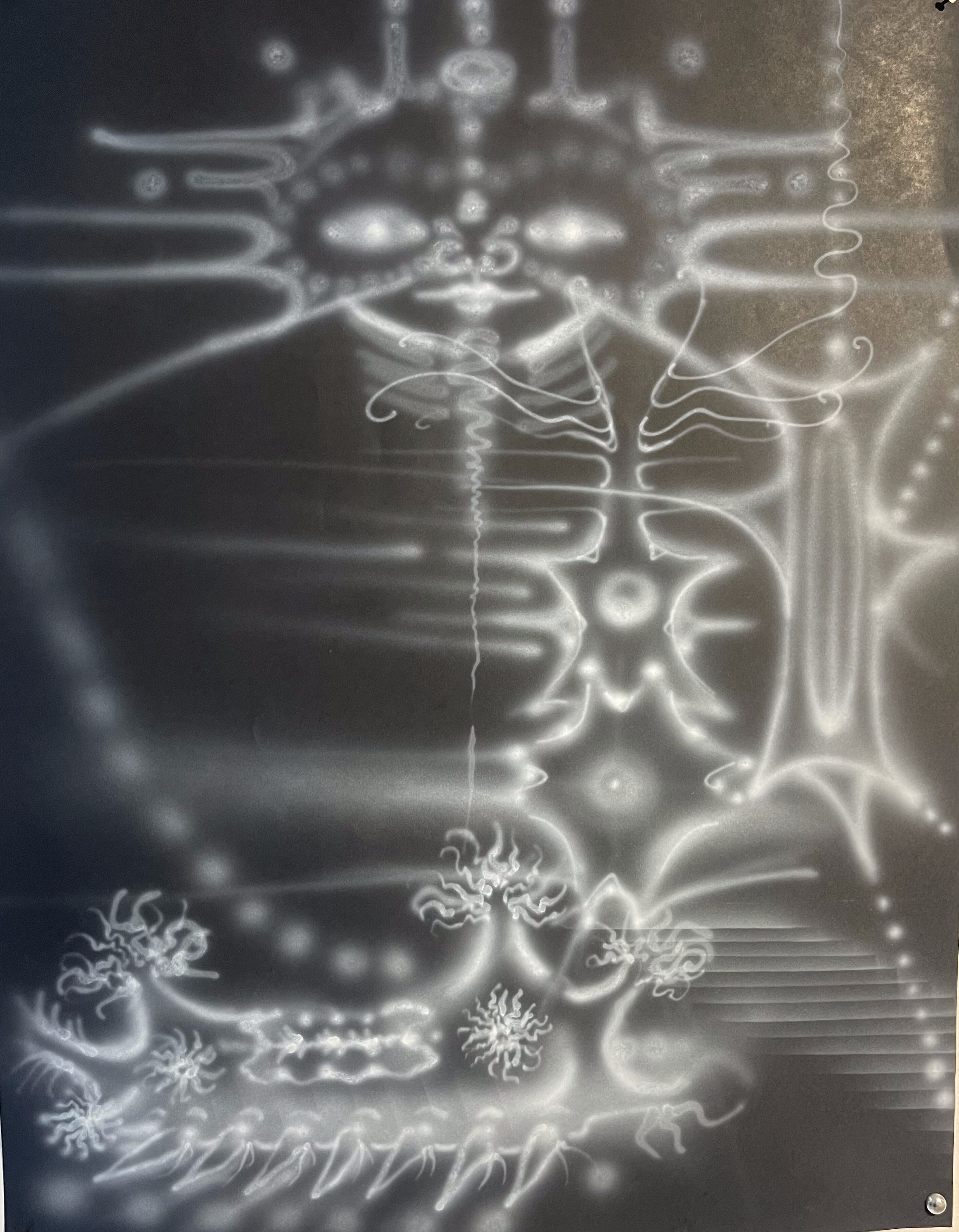
Ixchel is a conservator and emerging artist whose practice bridges photography and alternative photographic processes. She has pursued specialized training in photography and historic printing techniques, with a particular focus on gum bichromate and cyanotype. In her work, she explores the use of images in the age of social media as a form of everyday visual over-saturation, engaging with materiality, experimentation, and the expressive potential of early photographic methods within contemporary contexts.
VIVIANA LORENZO
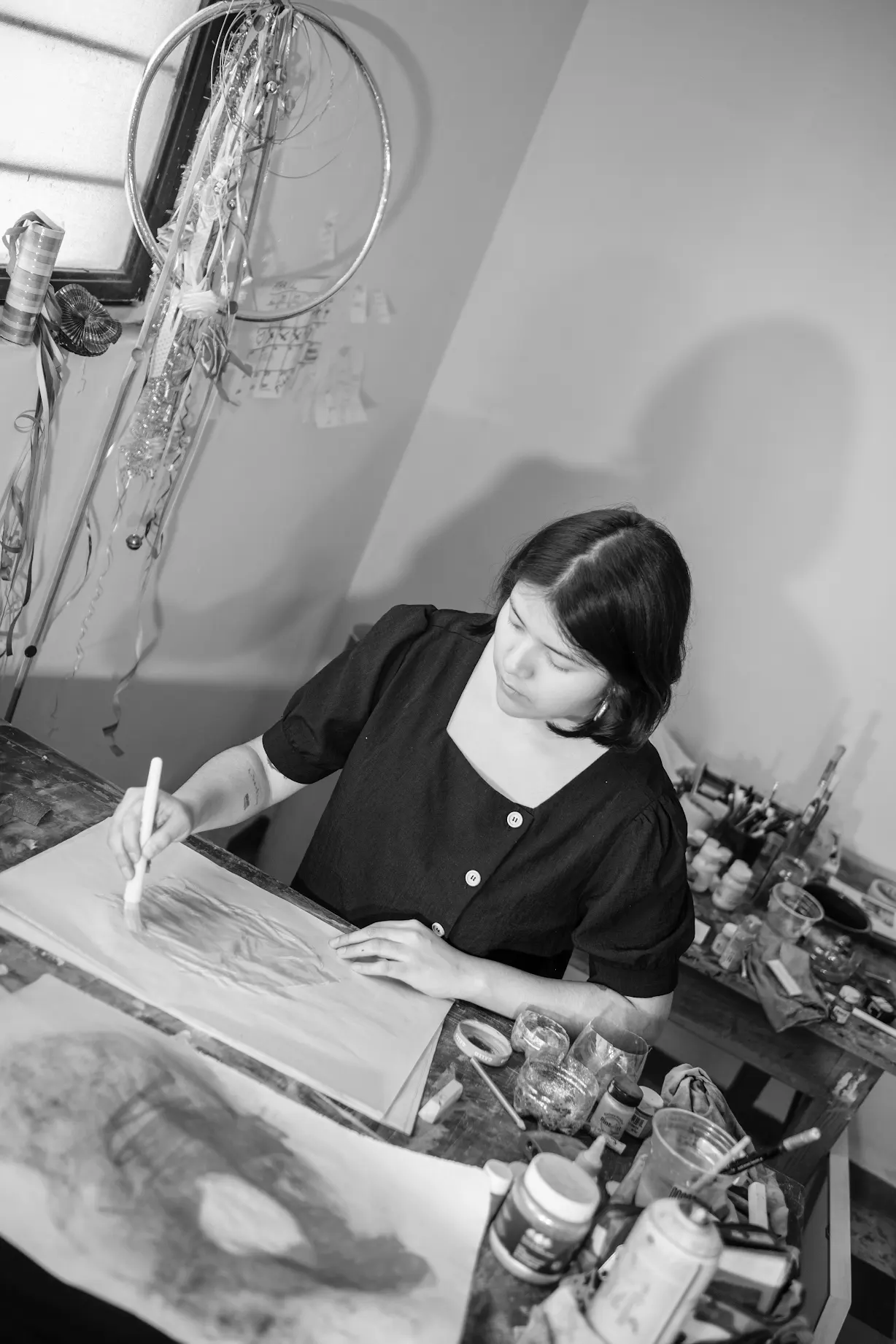
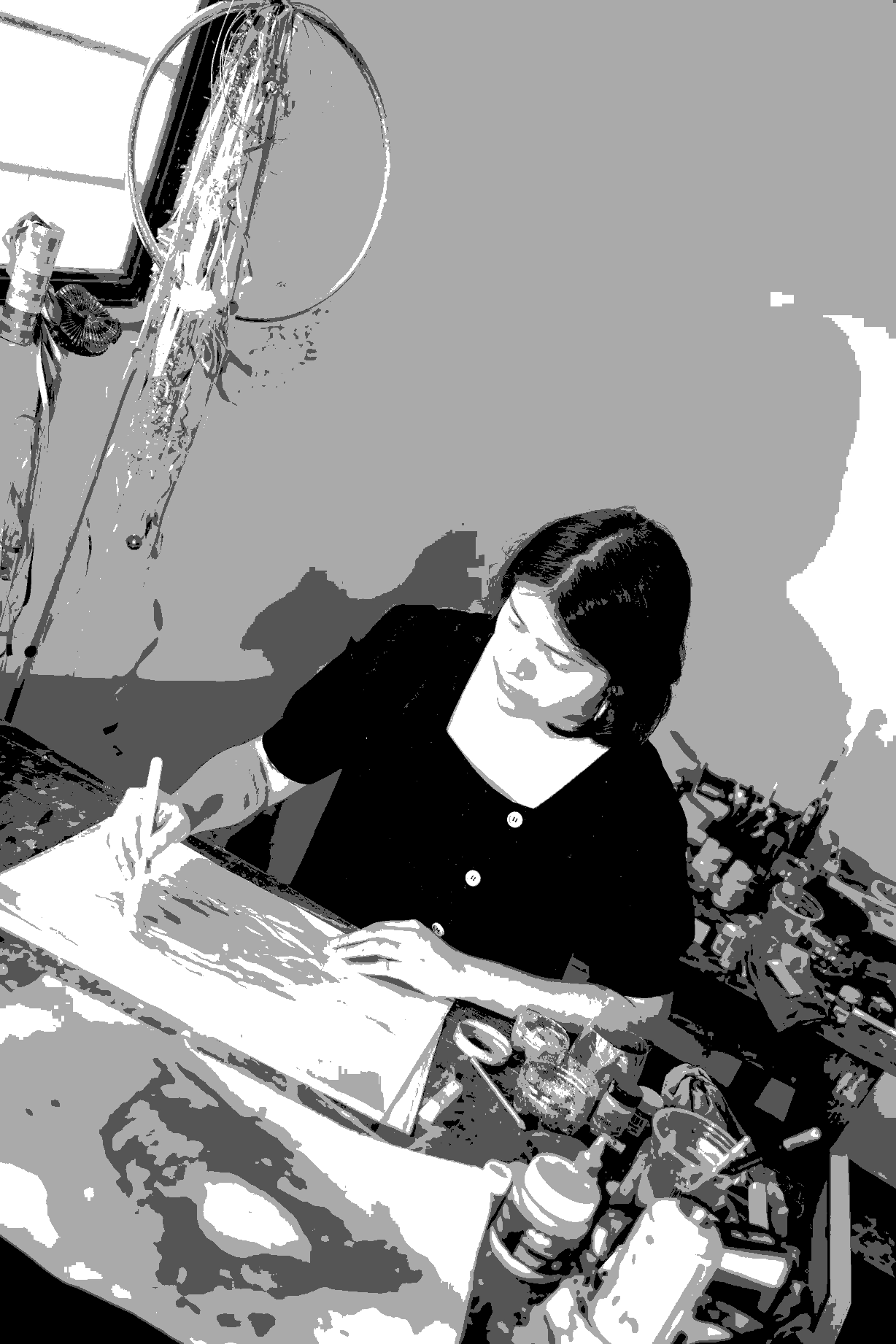
Viviana Lorenzo’s work stems from an intuitive approach to painting. She builds her images layer by layer, allowing the colors, textures, and depths shaped by the material’s qualities to guide the symbolic weight of each piece. This process of exploration, observation, and assimilation resembles the intangibility in which thoughts are born and evolve.
She has exhibited both individually and collectively in Mexico, as well as in Madrid, London, and California. Selected exhibitions include: Un Sueño. Una Señal (2024), Cromática Galería (Mexico City); DAWN (2023), Attom (Los Angeles); Arte Acción Amor (2023), Centro Cultural Tijuana (Mexico); Asumir Forma (2022), Taller Sangfer (Mexico); 30 años de grabado (2022), traveling exhibition (Mexico, London, Madrid); SUCESIONES (2022), Museo de los Pintores Oaxaqueños (Mexico)
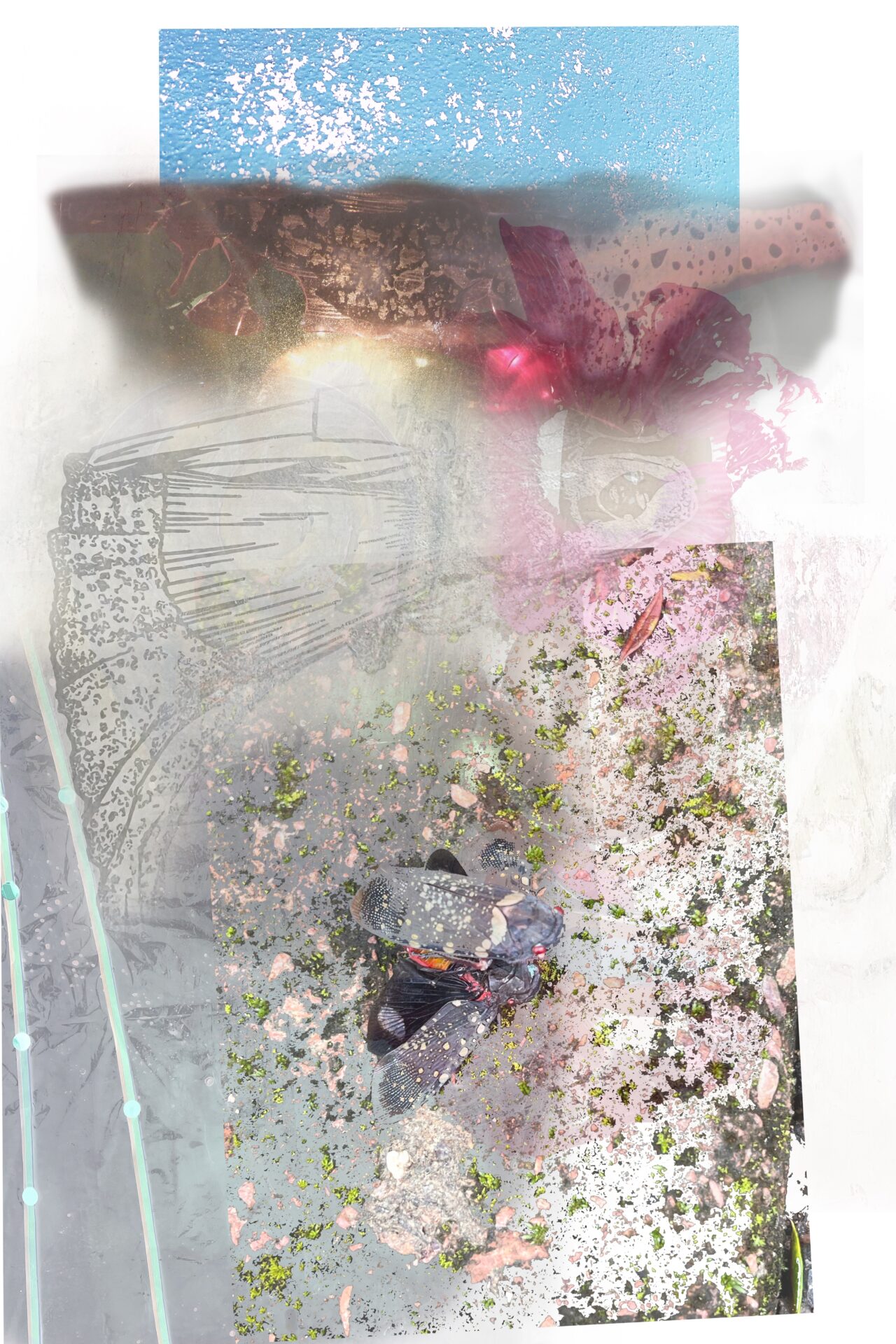
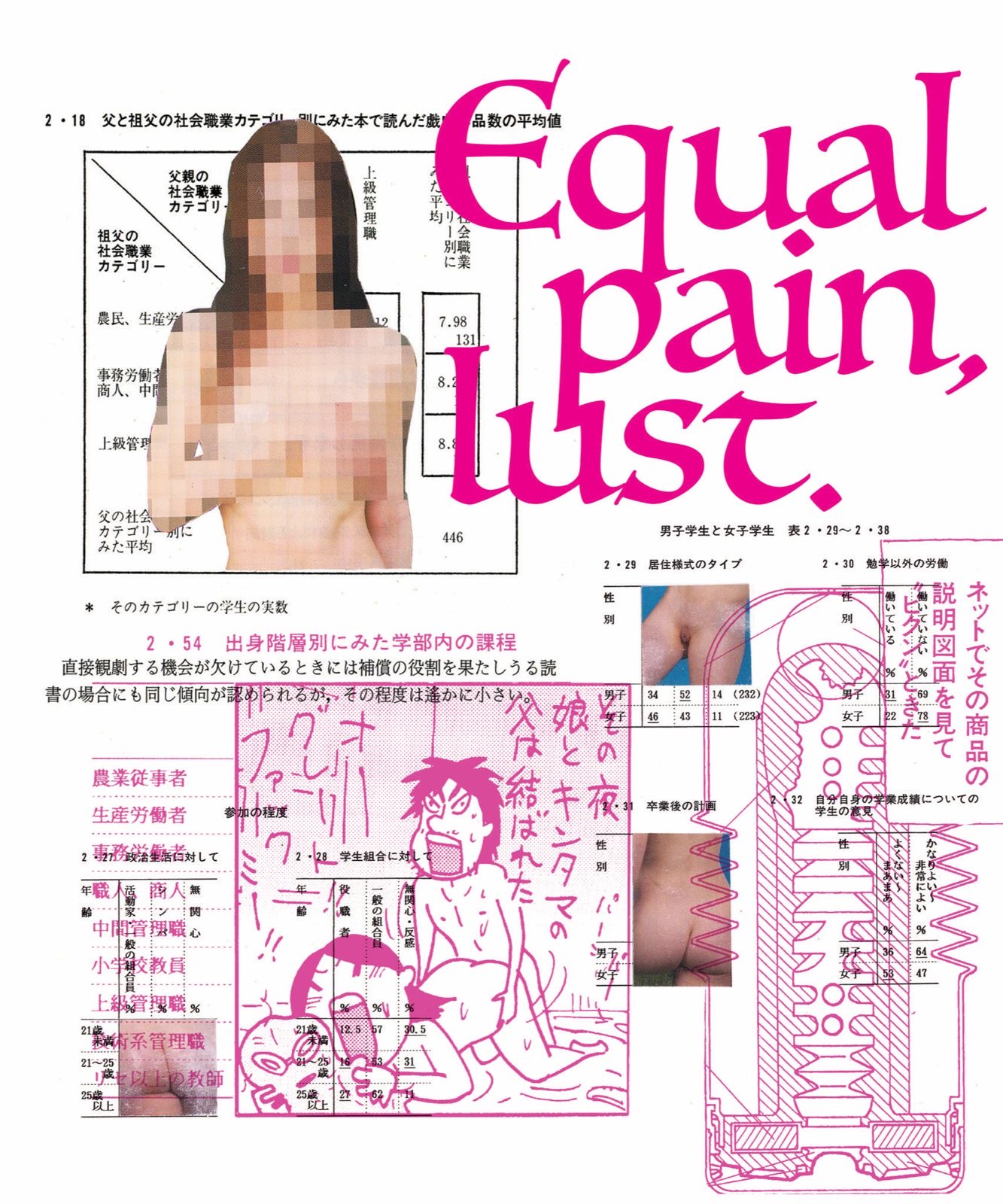
Pavel Craules
Pavel Craules is a multidisciplinary designer and visual artist exploring the tension between desire, aesthetics, and the everyday. His work blends composition, editorial flair, and the kind of accidental humor that appears even when he’s not trying. A fashion enthusiast and midnight-idea collector, he creates pieces that feel like stylish internal monologues.
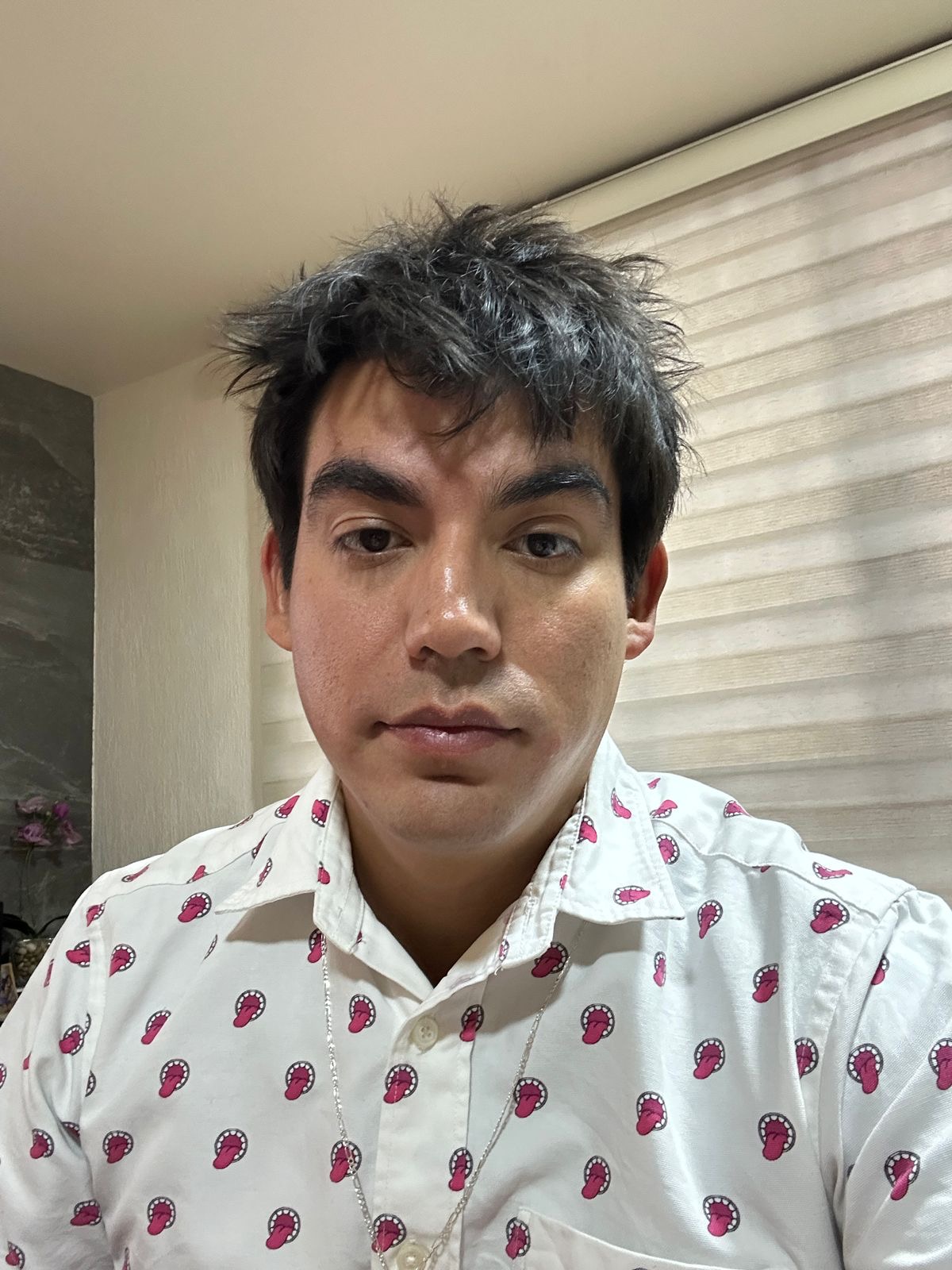
Alicia Valladares and José Fernando Gress Muñoz
Alicia Valladares is a visual artist and cultural manager. She studied at La Esmeralda and earned a certificate in Art Business from Universidad Iberoamericana. She is currently pursuing a Master’s in Latin American Art History at Casa Lamm.
Her practice investigates online image–consumption algorithms and reinterprets digital aesthetics through a combination of traditional and digital techniques.
Her work has been shown in Mexico, Germany, Russia, and the United States, including exhibitions at Museo de Arte de Zapopan, Roam Projects, Schau Fenster Kreuzberg, K320 Gallery, and Museo Universitario del Chopo. In 2024, her work was successfully auctioned at Jeschke Jádi, and her project Buenas Intenciones (with Fernando Gress Muñoz) won Best Collective Exhibition in an Independent Space at the Gorrita Azul Awards. In 2025, she participates in group exhibitions in Berlin and the U.S., supported by initiatives like Works on Skin and galleries such as Schau Fenster, HilbertRaum, Gallery Bogart, and Libertine Hollywood.
José Fernando Gress Muñoz is an artist, cultural manager, and curator. His work in sculpture, painting, and alternative media incorporates found and recycled materials, exploring imitation, bootleg culture, and digital replicas through a critical view of contemporary art and meme–time aesthetics.
Based in Mexico City since 2021, he has participated in exhibitions at the Museo Universitario del Chopo, the Three Pesos Triennial, Killscreendotcom (Los Angeles), and the Museo de Arte de Zapopan.
He won the 2024 Gorrita Azul Award for Best Collective Exhibition in an Independent Space for Buenas Intenciones, created with Alicia Valladares. In early 2025, he published his artist book annotaciones sobre cómo hacer/entender/encontrar escultura contemporánea in collaboration with poet and artist Augusto Sonrics and the independent project Sucesiva.
MANUEL TENEDOR
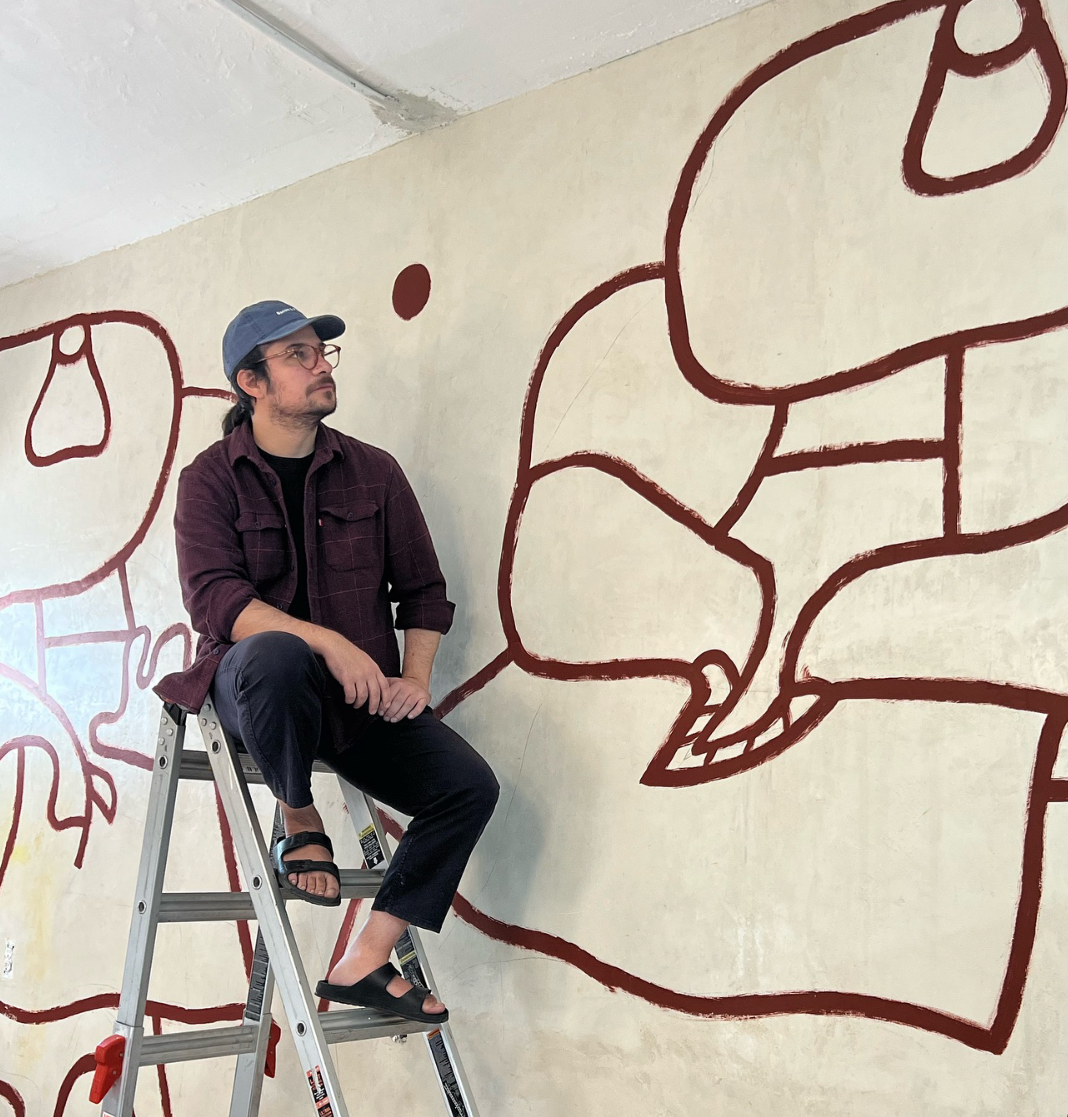
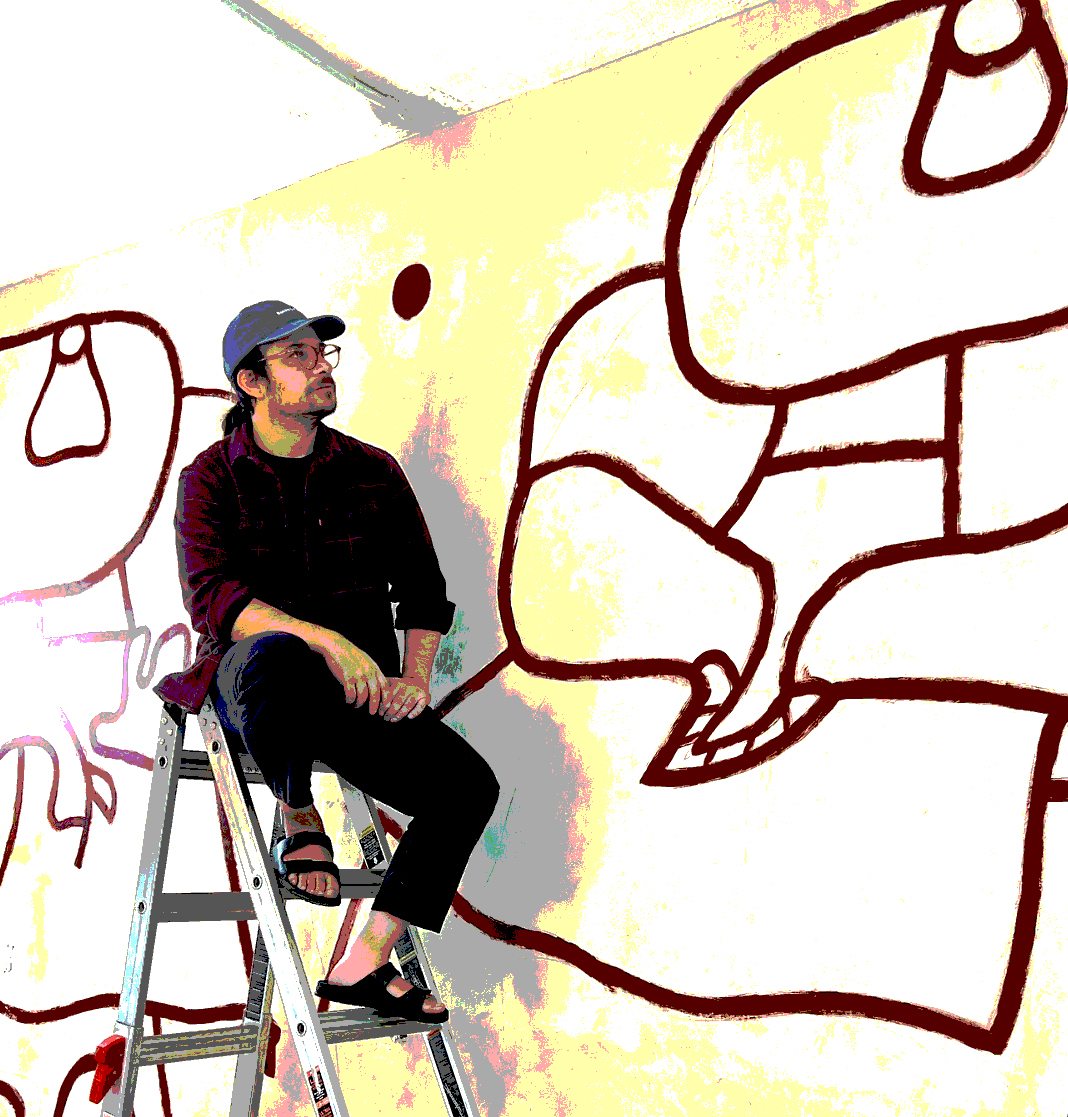
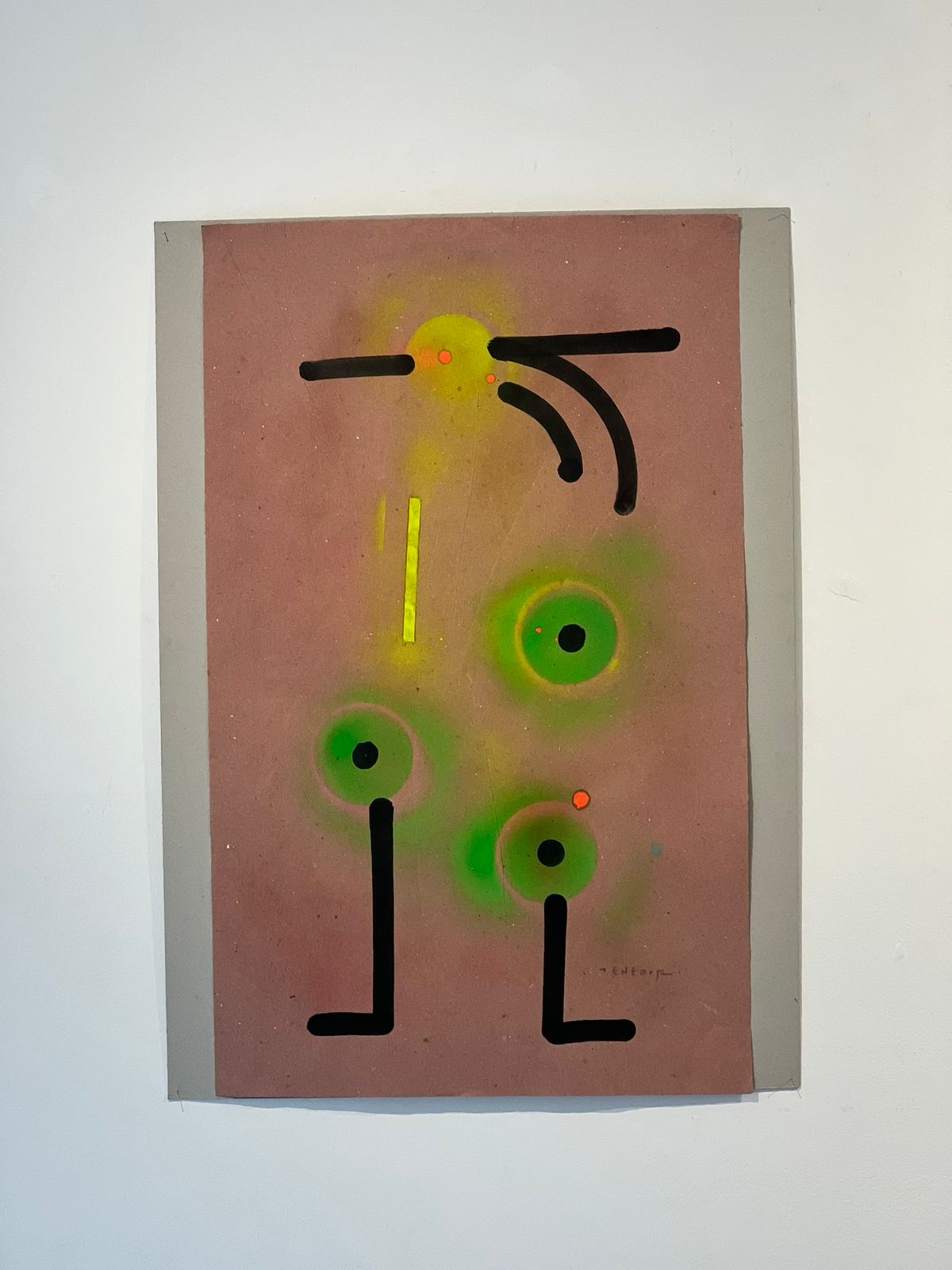
Manuel Tenedor was born in Guadalajara, Mexico. He studied industrial design at the University of Guadalajara. His work focuses on the synthesis of line and the anthropology and fiction of the daily life, objects, architecture and cuisine. He has exhibited his work in New York, Berlin, Amsterdam and Mexico City.
Sergio Alcocer Lira
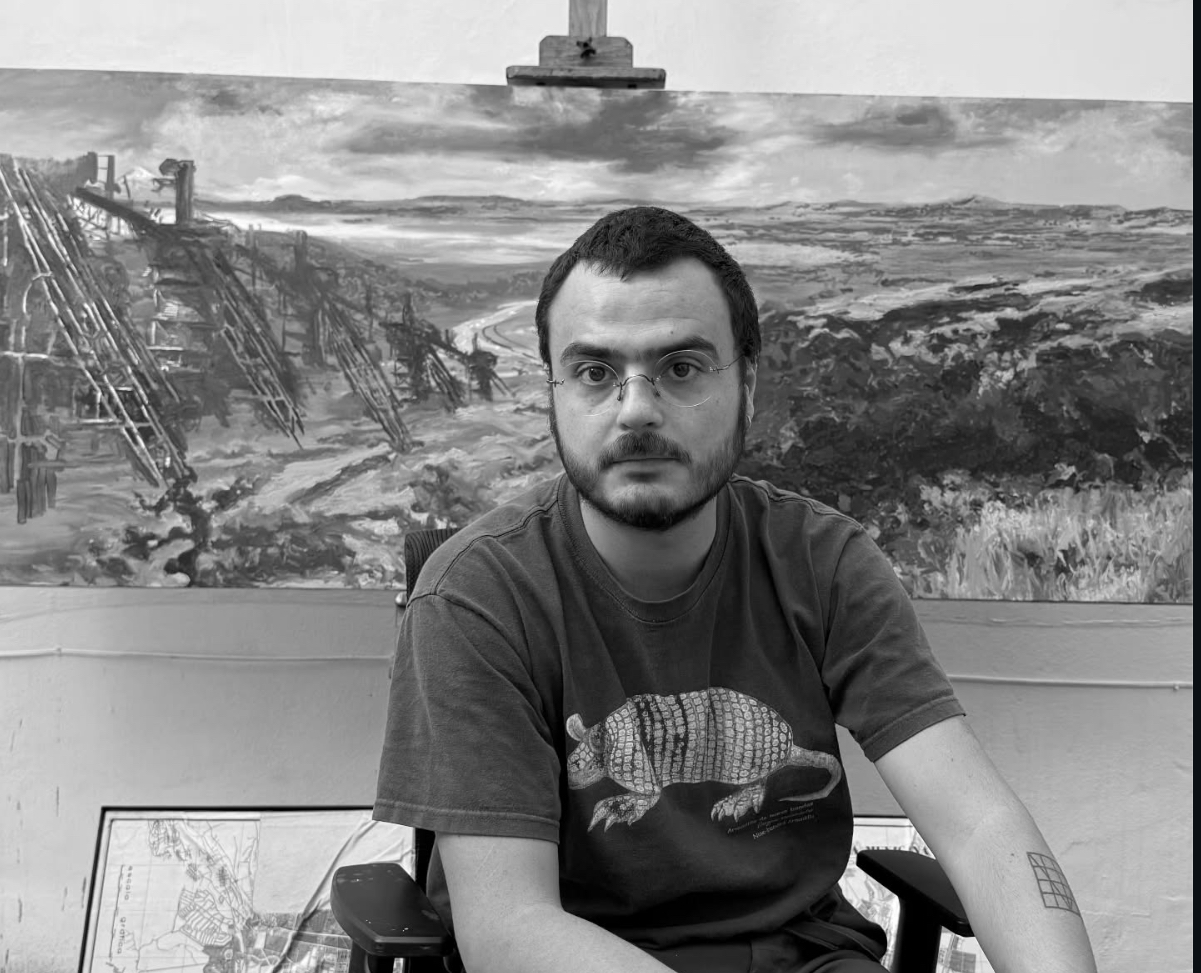
Sergio Alcocer Lira is an architect and visual artist trained at the Faculty of Architecture of the National Autonomous University of Mexico (UNAM). His practice unfolds between drawing, painting, and the construction of urban imaginaries, exploring space as fiction, territory, and symbolic structure. He has participated in notable projects and pavilions such as Paréntesis (MEXTRÓPOLI 2018), Zona Vival (Querétaro, 2020), Cubo Centenario (Corona Capital 2023), and CUENCO (Museo Experimental El Eco, 2023). His work has been exhibited in spaces such as MACQ, Casa Bestiario, Galería Cromática, Sangremal, and Galería Gachi Prieto (Buenos Aires). He is currently developing research focused on speculative architectures and imaginary cartographies.
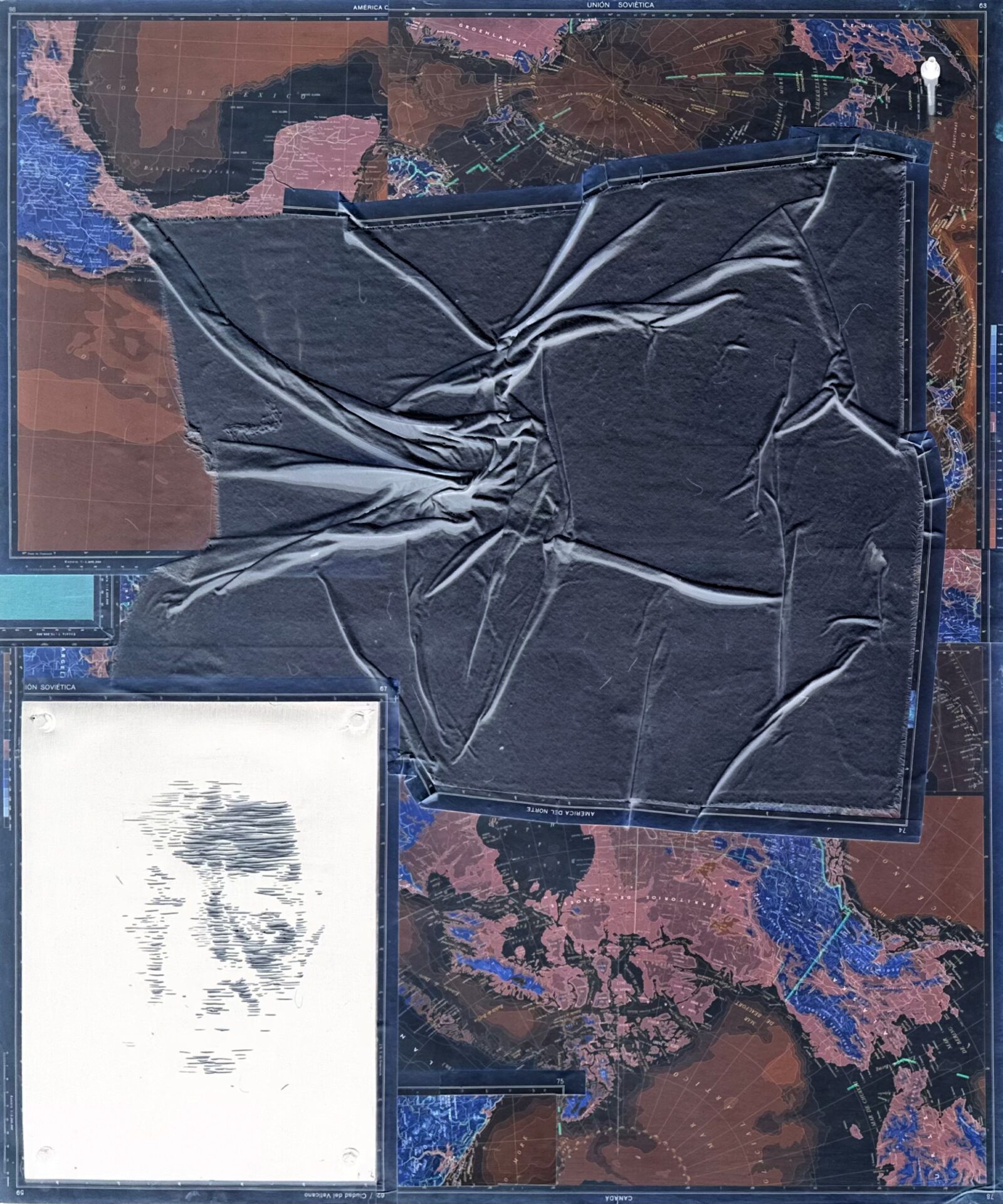
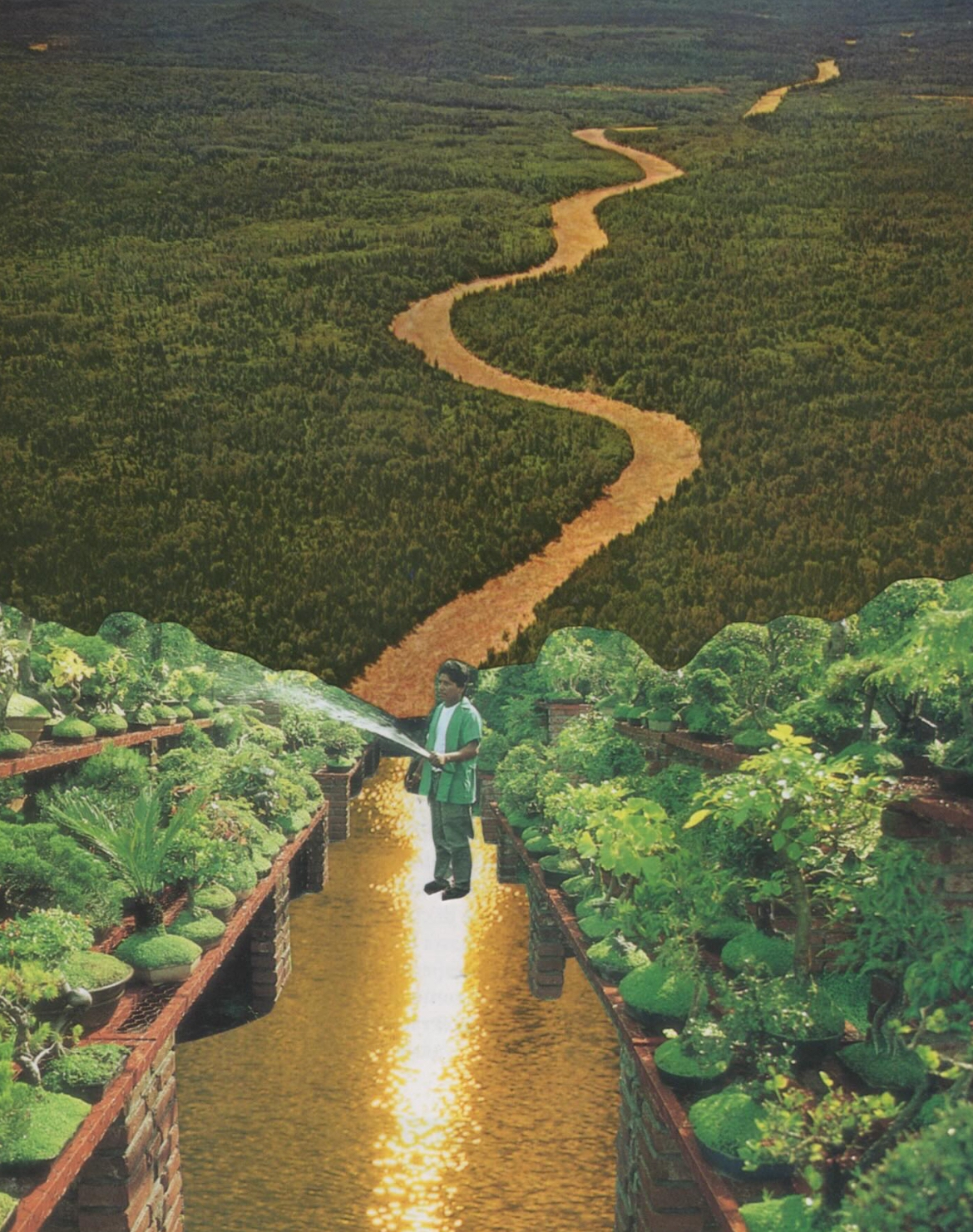
Racollach
Raquel Amkie Cohen was born in Mexico City, shaped by silence, intuition, and light.
She thinks more than she speaks. She observes more than she reveals. She moves between order and creativity, between calm and intuition. Humor has always been her quiet companion.
Collage arrived in her life like a doorway -a place where the inner world finally had a language. Tennis, in its own way, opened a similar path.
She does not create from strict concepts. She lets each piece emerge, breathe, and speak on its own. Her art doesn’t ask to be explained – only to be felt.


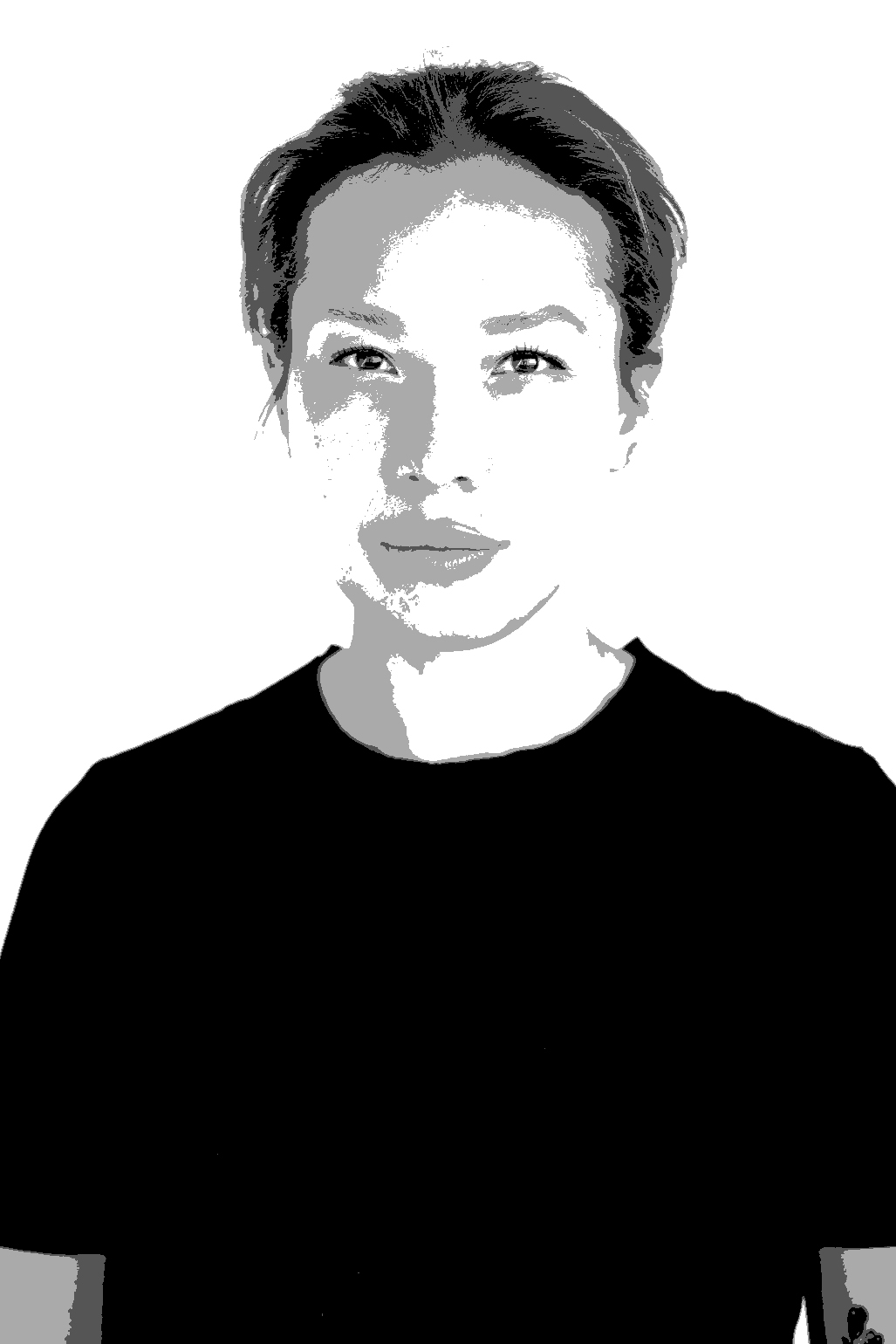
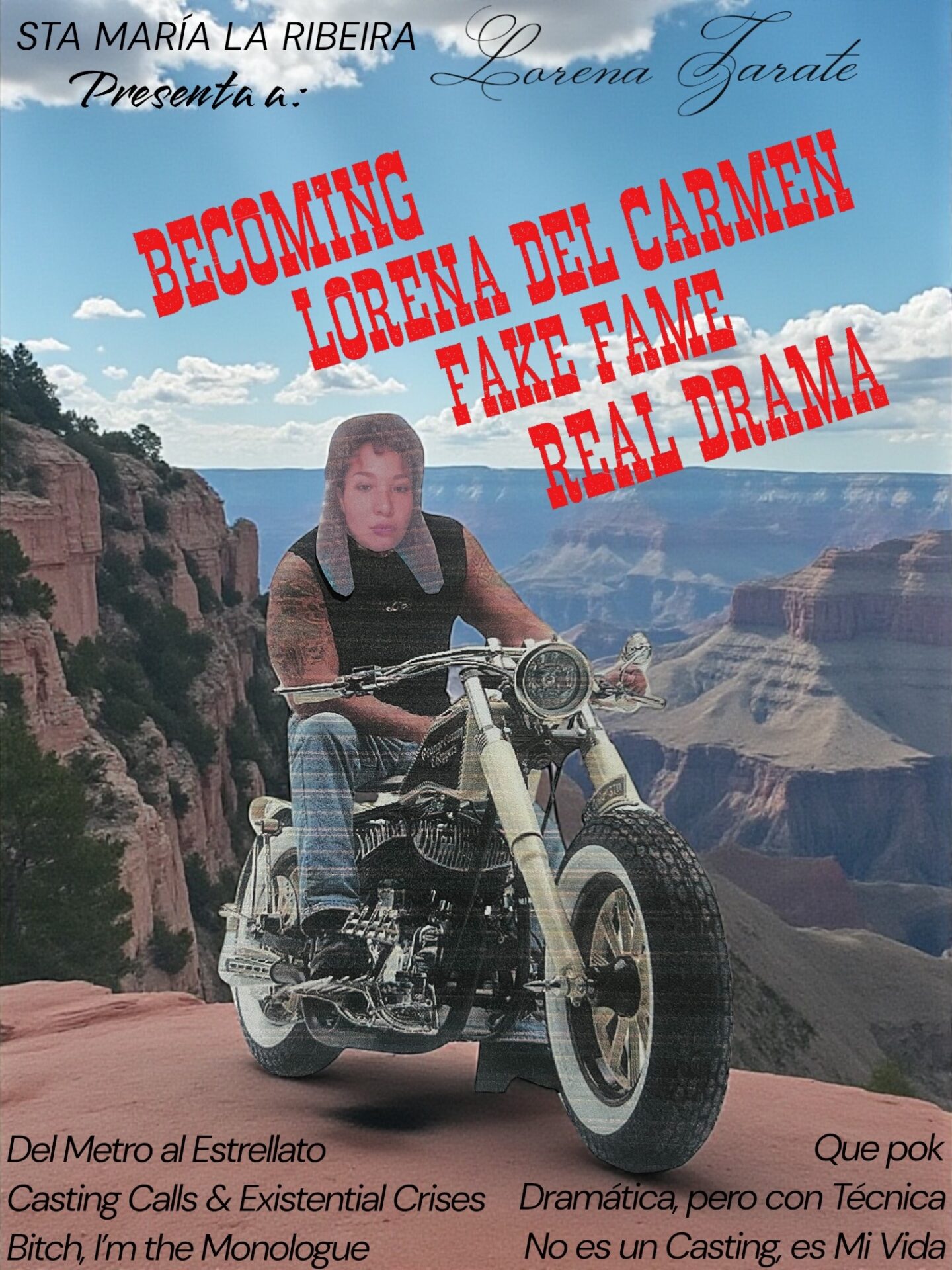
Lorena Zárate
Lorena Zárate is a multidisciplinary artist from San Luis Potosí, currently living and working in Mexico City. With a background in Psychology, her practice is rooted in the exploration of emotion, identity, and narrative. After relocating to Australia and later living in New York, she deepened her artistic journey through cross–cultural experiences. She has developed a diverse body of work that spans writing, performance, acting, production, ceramics, and painting. Through these mediums, Zárate constructs intimate and playful universes where personal experience meets collective memory.

Esteban Barriga Jarquín
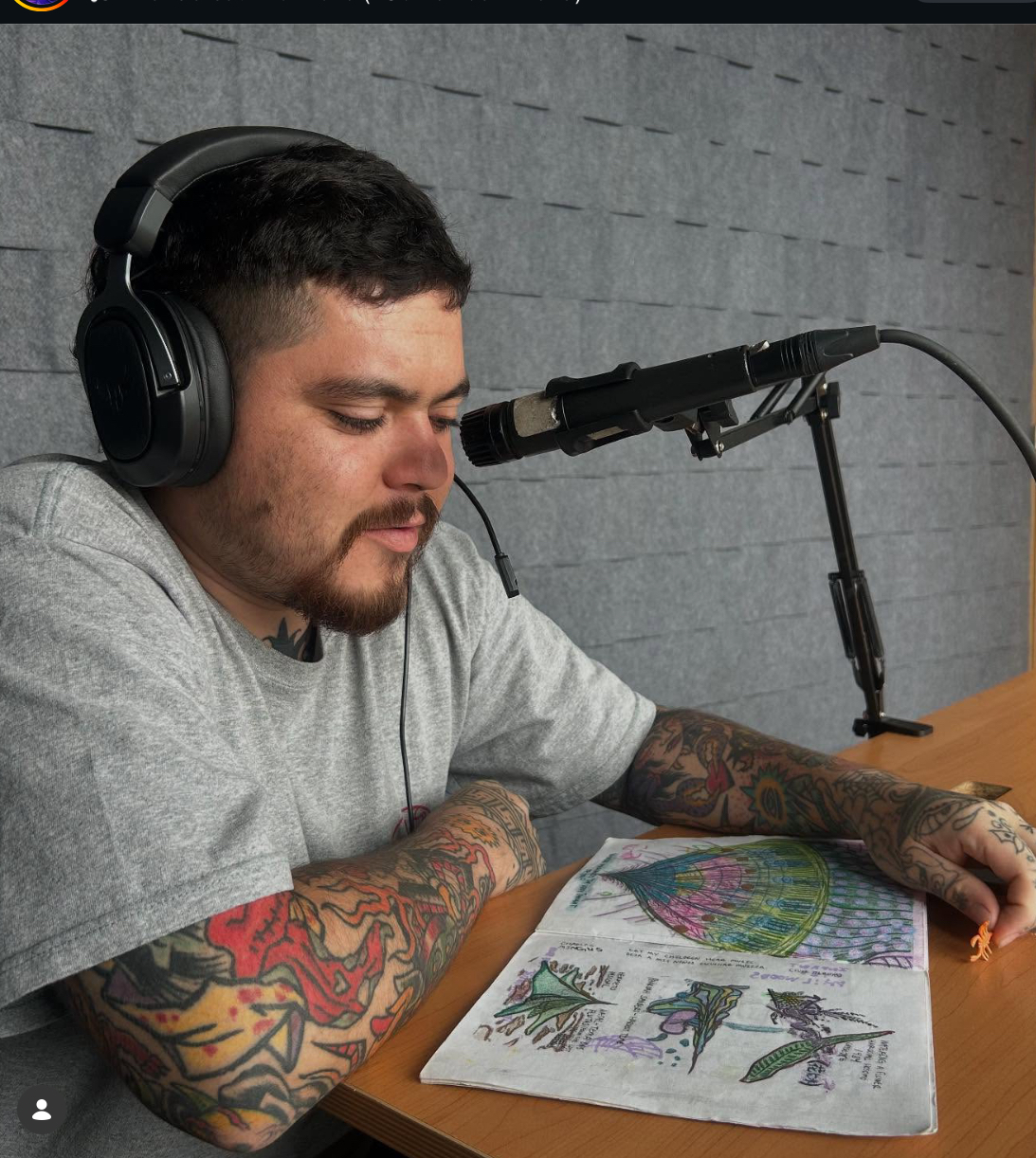
Esteban Barriga Jarquín was born in Oaxaca de Juárez, Oaxaca. At the age of 12, he began doing graffiti, and by 15, was working as a printer and painting assistant at the workshop Okupa Visual Project, led by the painter Guillermo Pacheco, where he worked for three years while simultaneously completing his high school studies at CEDART Miguel Cabrera. At 23, he started as a tattoo apprentice at Tinta Sangre in downtown Oaxaca, a studio founded about 30 years ago by Rostro Maligno and Doctor Lakra. During the 2020 pandemic, he began collaborating with the LMP crew, where he currently works full time, keeping alive both the analog screen–printing workshop and the private tattoo studio, LMP Tattoo Club.
Dolly Sputnik / Austra Vekteryte
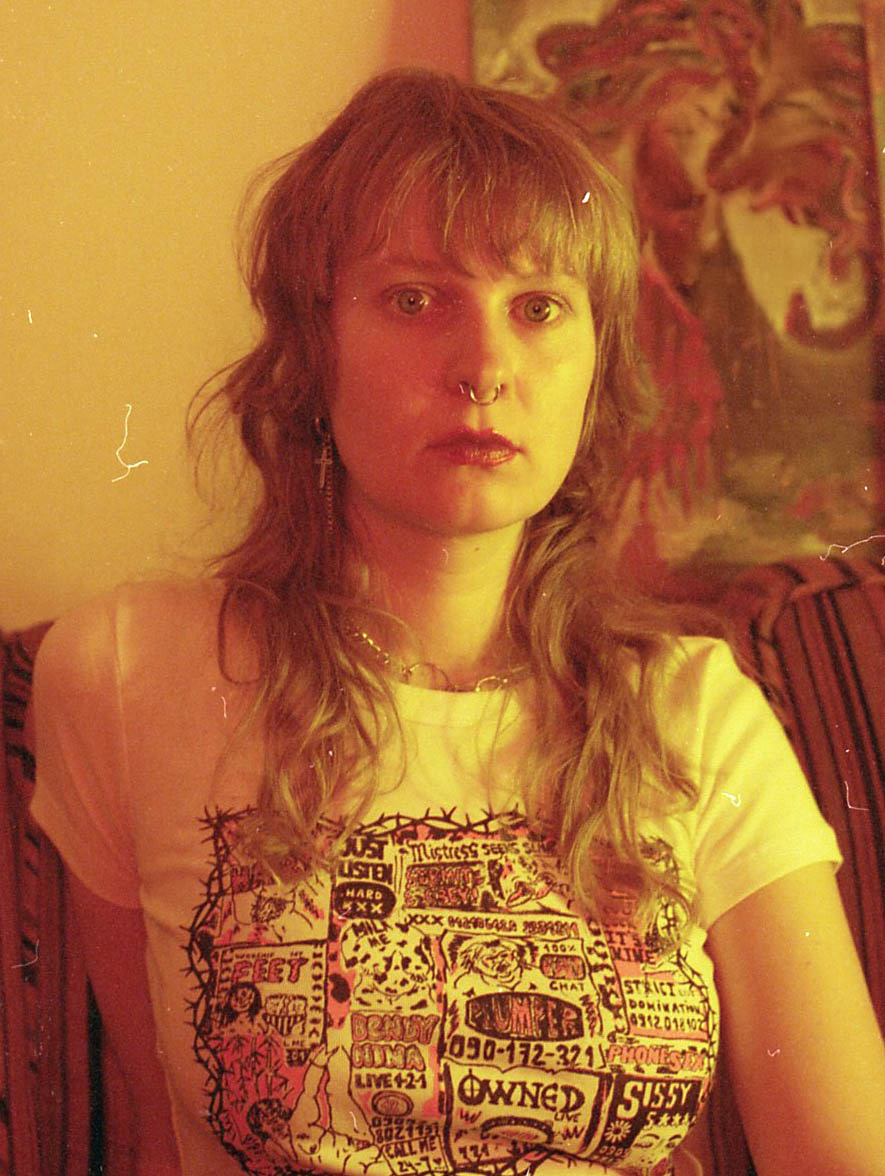
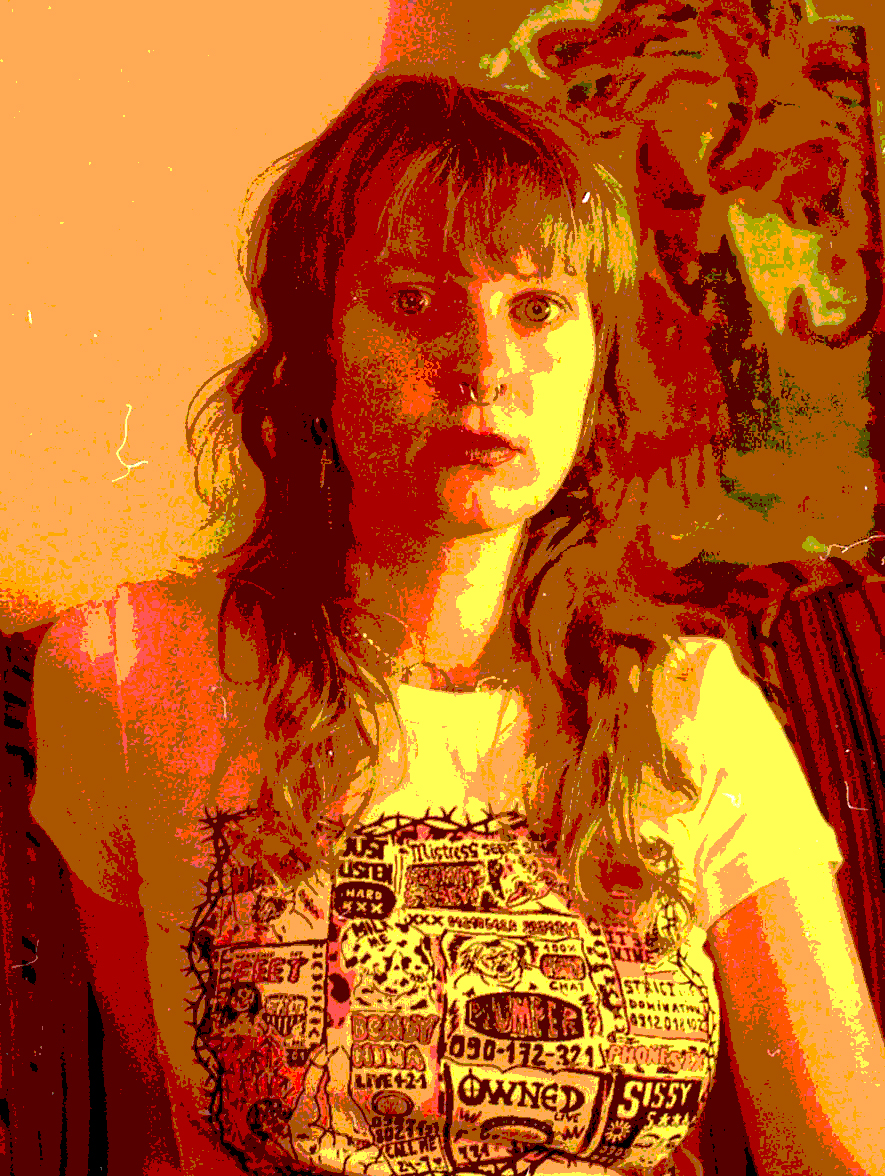
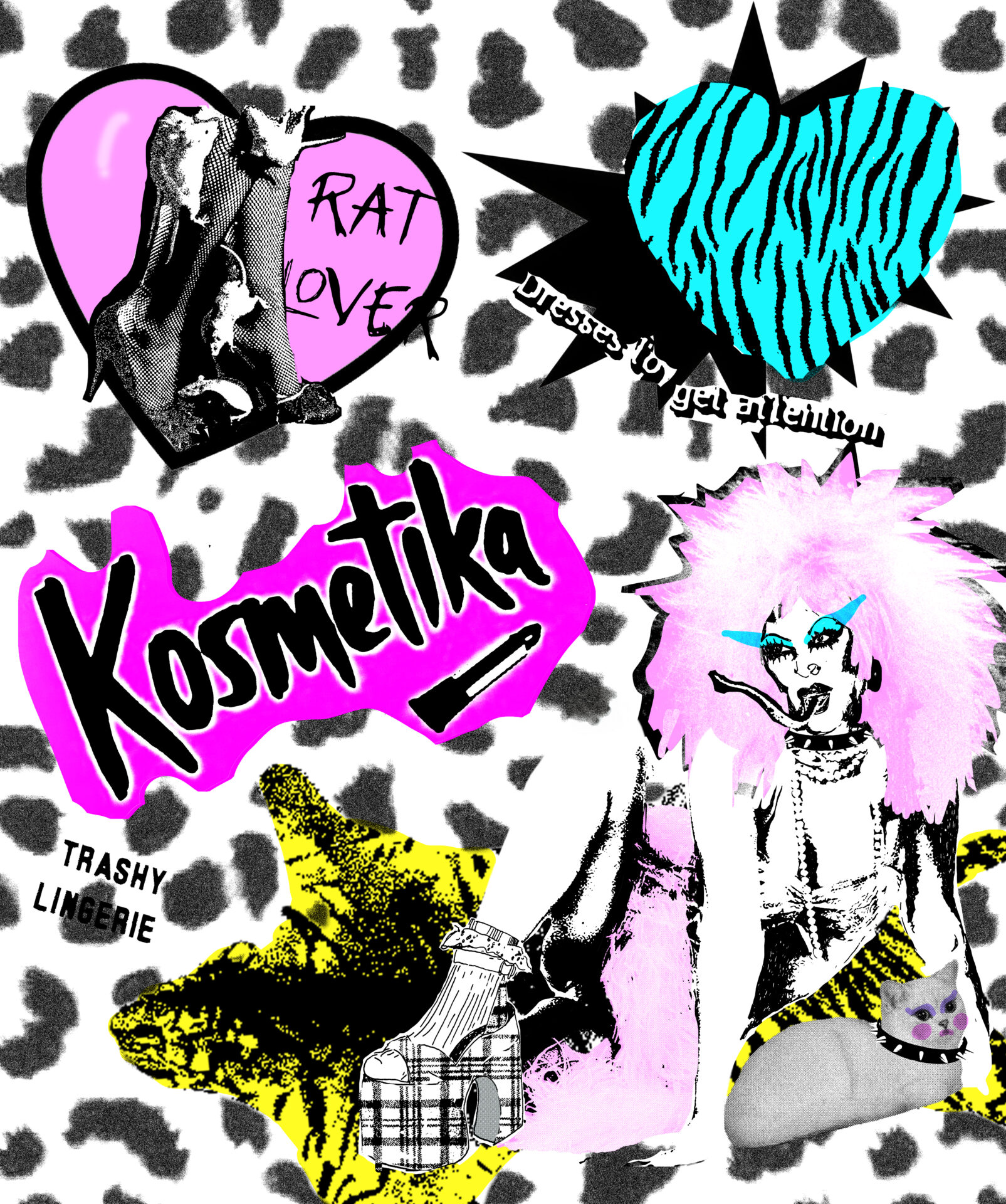
Ausra Vekteryte is a visual artist with a background in graphic design, born in Lithuania and based in Mexico City. Her work blends multicultural influences to explore identity, Eastern European heritage, and sexuality through a bold, humorous, and exaggerated visual language.
Shaped by the contrast between her conservative upbringing and her current environment, Ausra reclaims sexuality as playful and empowering. Using satire, visual excess, and pop–infused references, she stages desire as playful performance, offering a mischievous, light–hearted critique of shame, control, and inherited norms.
Dante Ramirez
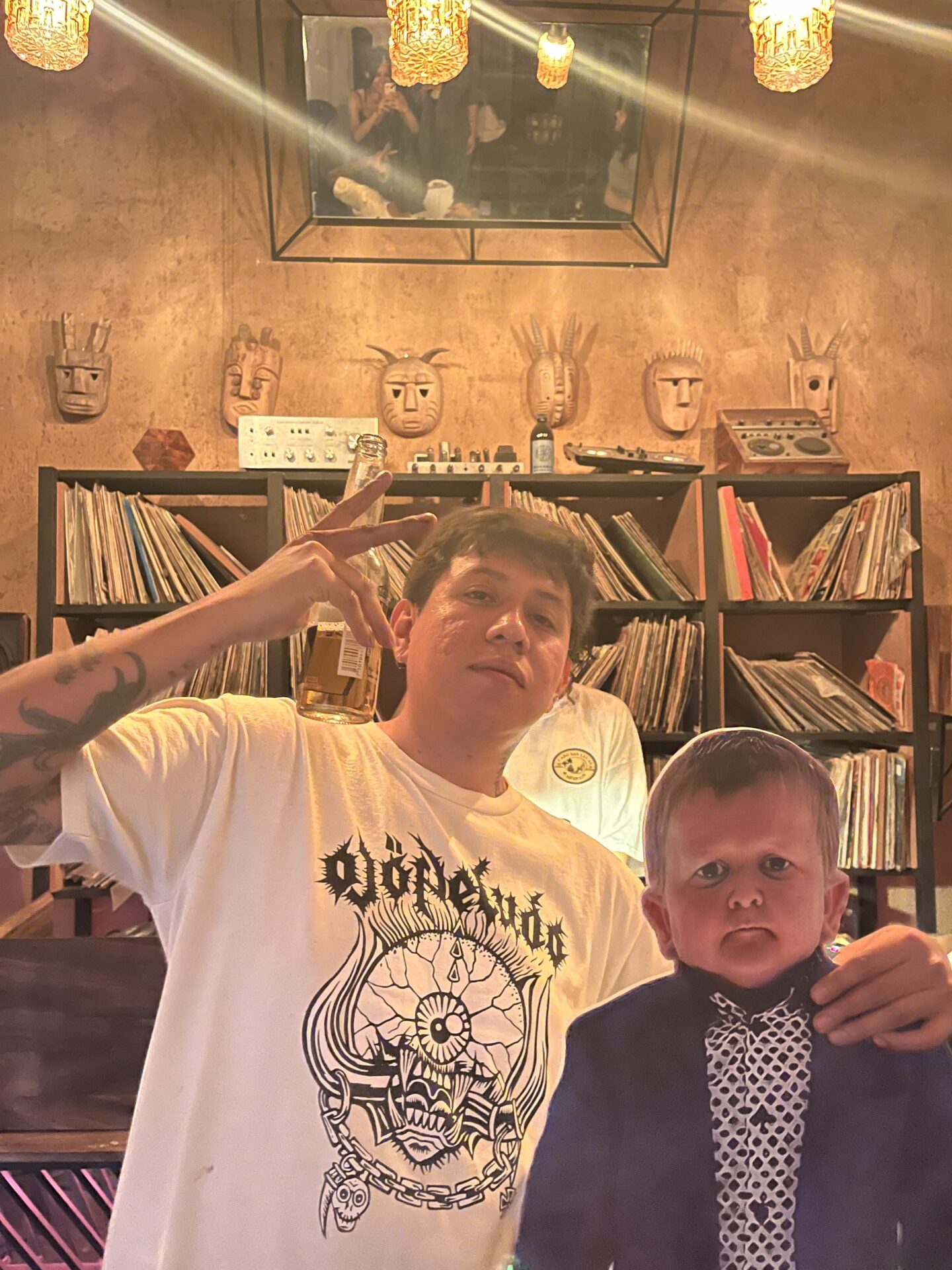
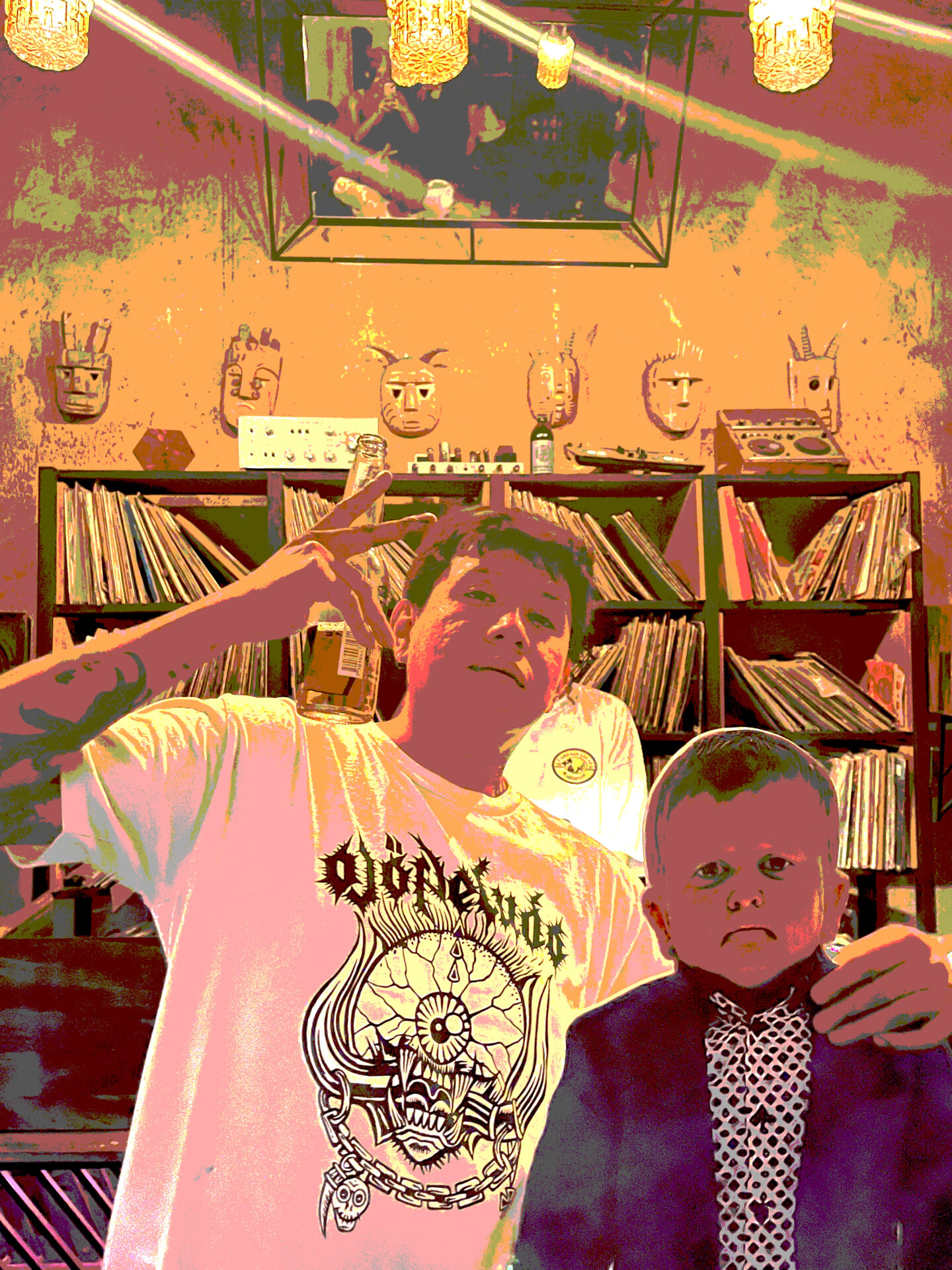
Dante Ramirez was born in Oaxaca City. A screen printer by trade, he explores techniques such as painting, tattoo, and engraving, with an interest in painting as a subtle means of communication with hidden messages, and simple scenes that are at the same time full of symbolism, left to the interpretation of the observer.
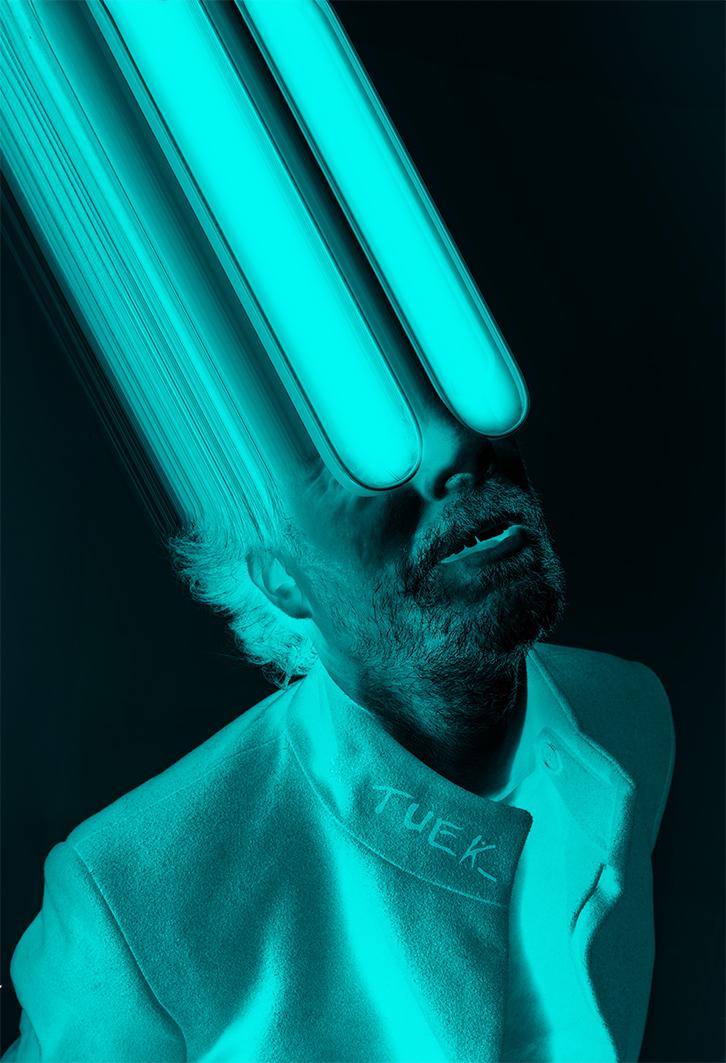
TUEK
TUEK is an experimental photographer who captures digital portraits and transforms them through creative digital tools. By intervening his images with bold colors, distortions, and intentional glitches, he pushes the limits of traditional photography to create abstract and expressive visual worlds.
Fabiola Franyutti
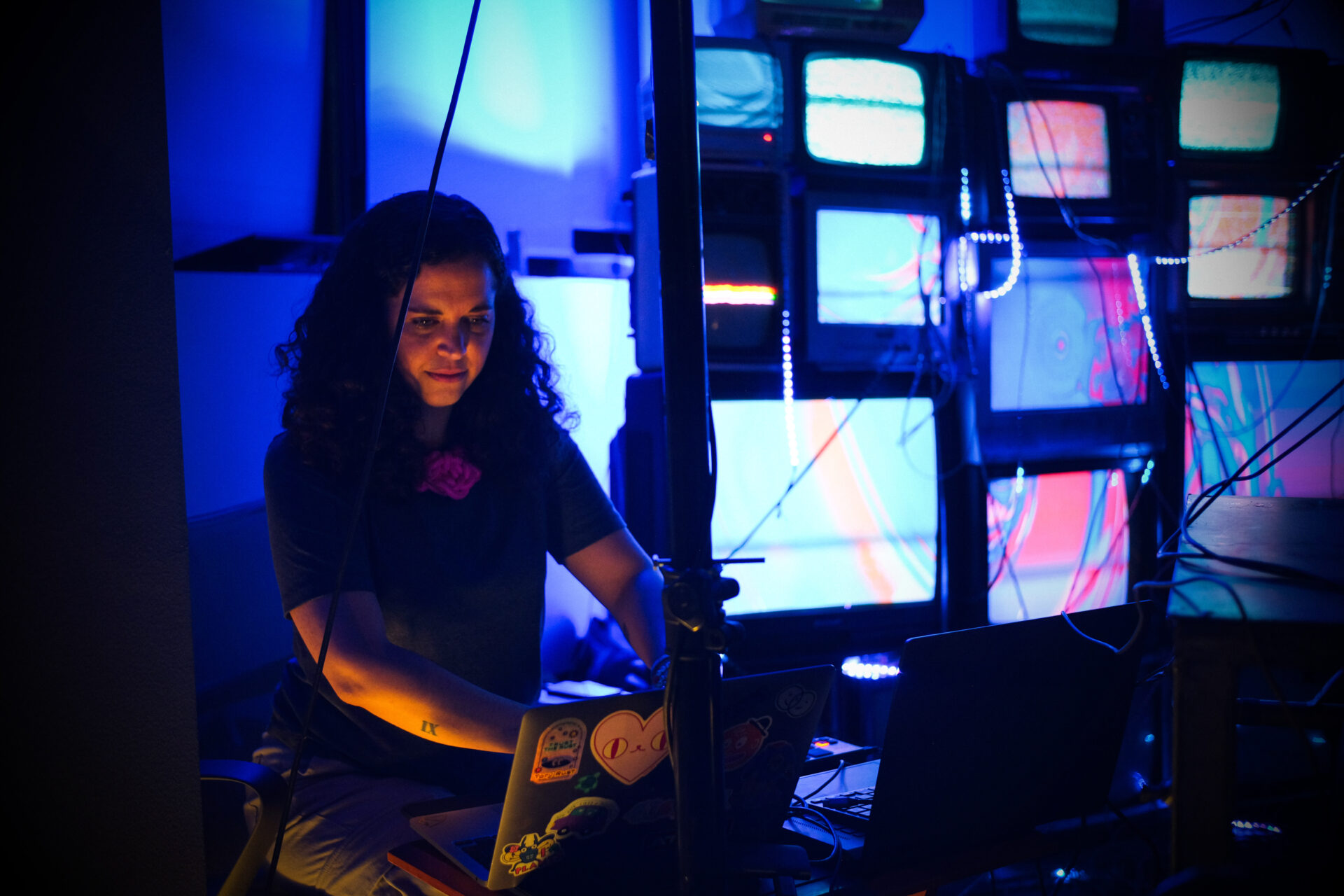
Fabiola is a digital media artist who blends analog and digital techniques to shape onirical explorations inspired by her dreams, weaving together play, fantasy, and childhood memory. With photography as her creative foundation, she loves to experiment with digital tools that transform ordinary images into something magical and unexpected. Her recent projects explore surreal worlds filled with large inflatable structures that evoke wonder and curiosity.
With a background in digital media and a specialization in creative coding, Fabiola transforms code, design, and physical materials into immersive visual experiences. She is the founder and creative director of an interactive studio focused on branding, web animation, and immersive installations, and has recently created live visuals for concerts and events.

Miriam Gómez Pérez "El Pinche Barrendero"
Miriam Gómez Pérez recieved a Bachelors Degree in Photography at the Universidad Veracruzana and was part of the 7th Visual Arts Diploma Program at the Centro de las Artes de San Agustín. For the past seven years, she has independently produced fanzines and is a firm believer in the DIY approach to artistic practice. She currently runs a project and space called RABIA with Javier Arjona, from which they self–publish and publish invited artists. In 2018 she collaborated with no hacer nada for the program Ciclo de Dibujo. She was one of the founding members of Ediciones Estridentes.
Her work has been shown in group exhibitions in Mexico City, Córdoba (Veracruz), Xalapa, Veracruz, Guadalajara, France, the United States, and at MUPO in Oaxaca (2022). Notable exhibitions include the 3rd Veracruz Biennial (2016) and her first solo show Merecemos Fracaso (2020) at Estudio Marte, CDMX. Her work has been published in PICS magazine at the Centro de la Imagen; she participated in Miércoles de SOMA the same year and was part of Salón ACME 2022
Javier Antonio Arjona Juárez
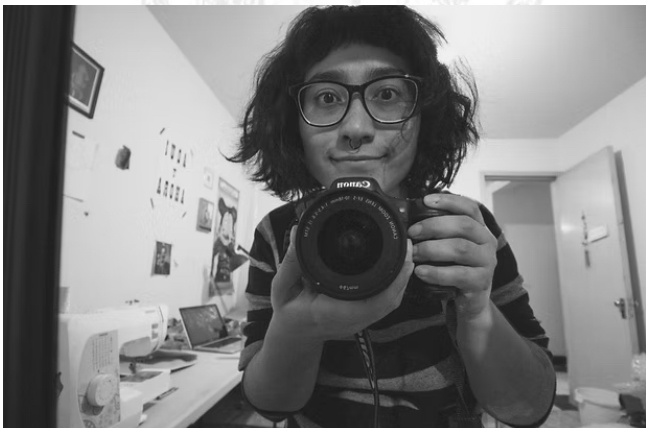
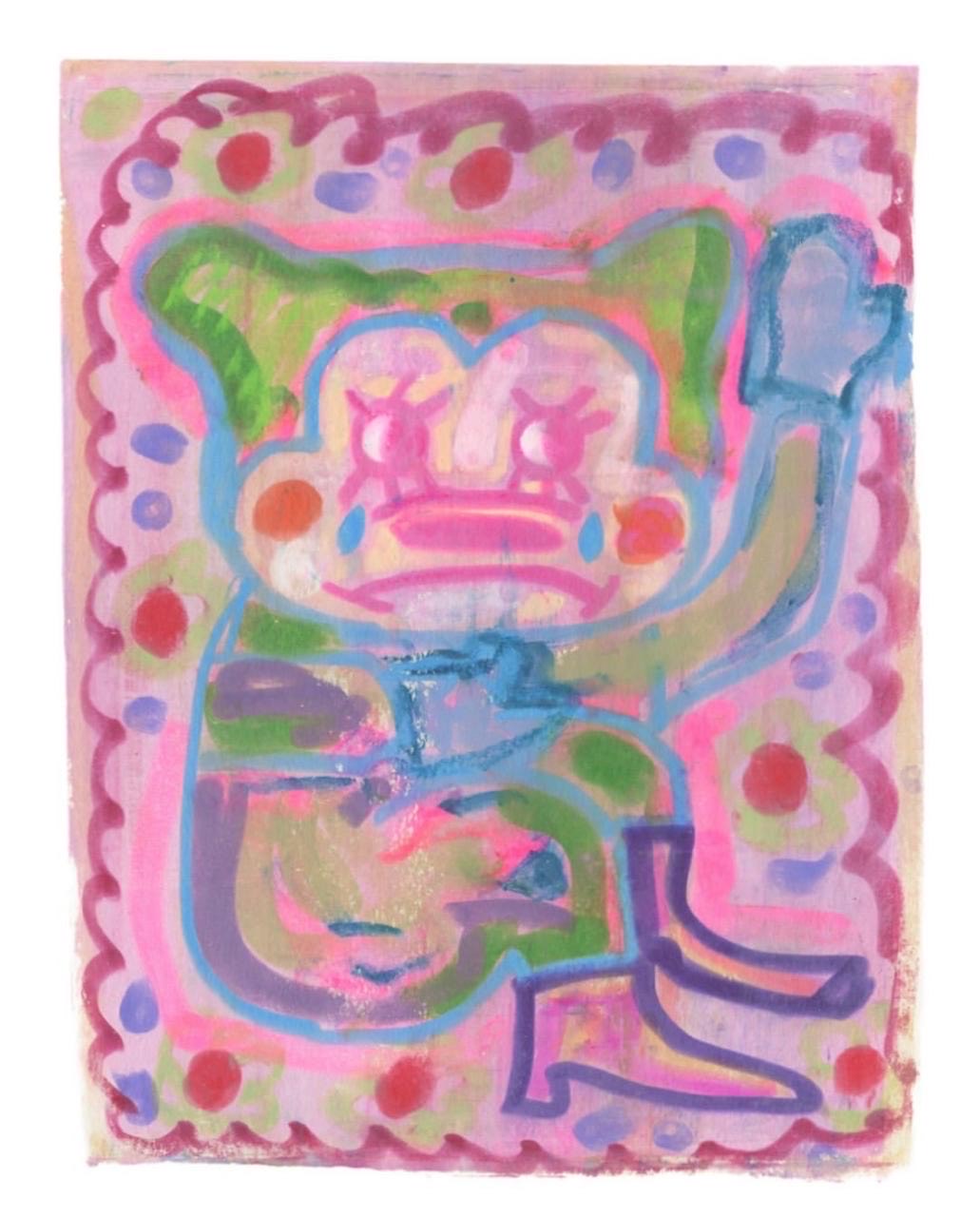
Javier Antonio Arjona Juárez received his Bachelors Degree in Visual Arts at the Universidad Veracruzana, Xalapa campus. He currently resides in Oaxaca, the city where he was born. Together with Miriam Gómez, he is the co–founder of RABIA, a project focused on editorial graphic production and exhibition programming.
His artistic practice develops from a blend of images sourced from the virtual realities of cinema, video games, and the internet, combined with a personal imaginary and everyday elements. His work aims to address contemporary events related to digital technology and its influence on society.
His work has been part of more than 50 group exhibitions in Mexico and abroad, including: La Gráfica Oaxaqueña y su producción contemporánea at the Centro Estatal de las Artes, Mexicali (2013); Mexico: The Future Is Unwritten, Fondazione Cini, Venice, Italy (2015); and La causa de las causas at the Museo de Arte Moderno (MAM), Mexico City (2019).

Caleb G. Leyva
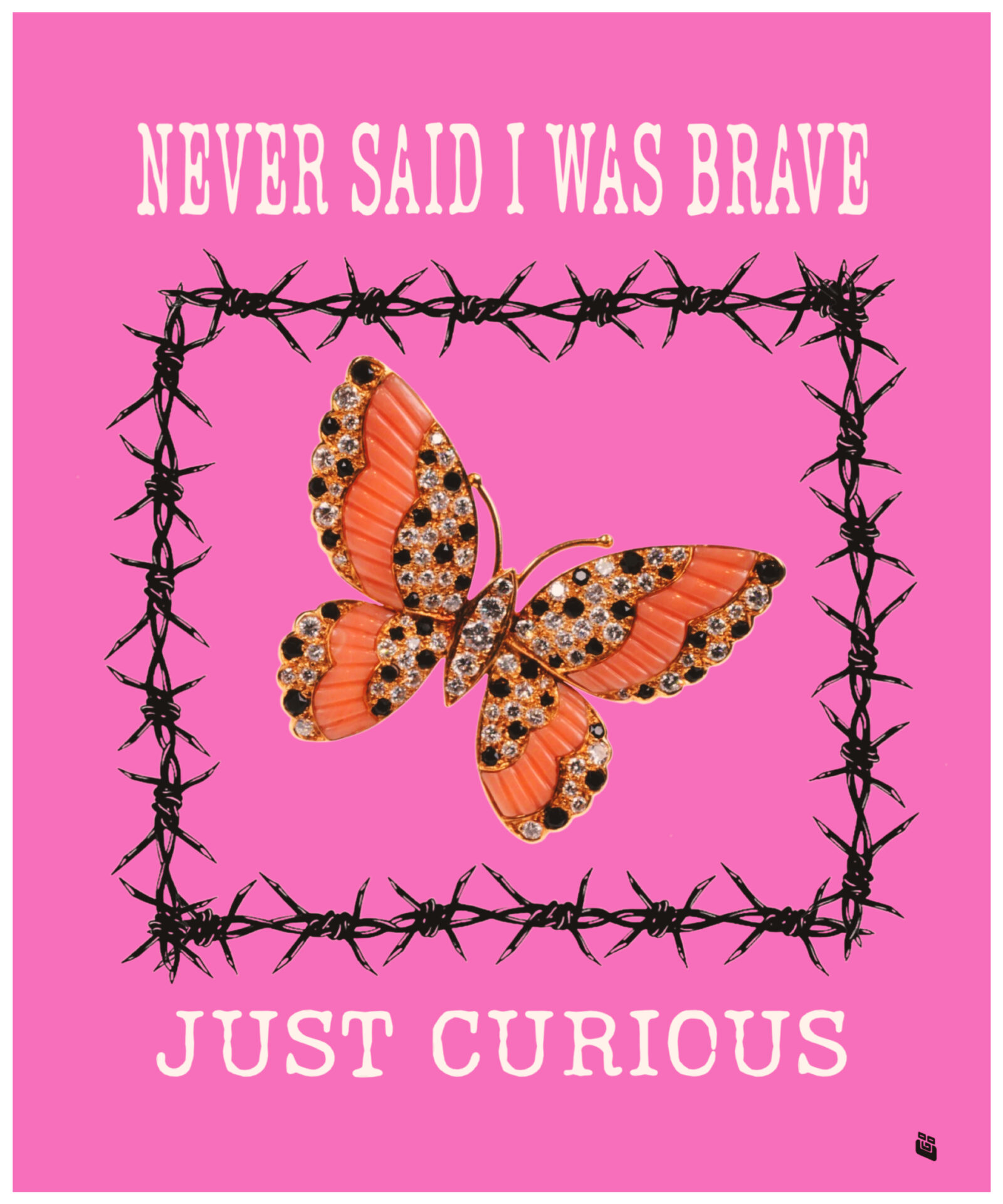
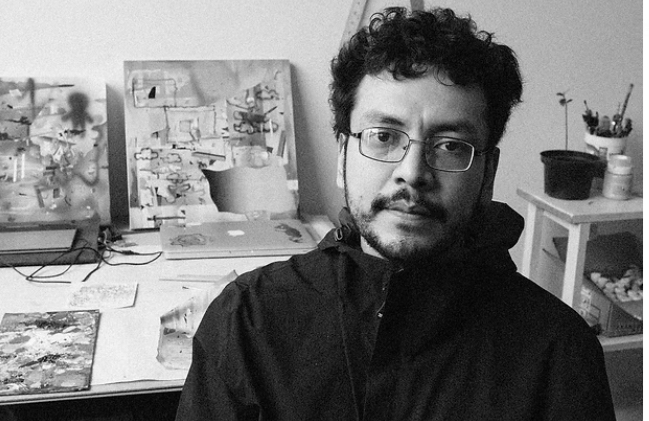
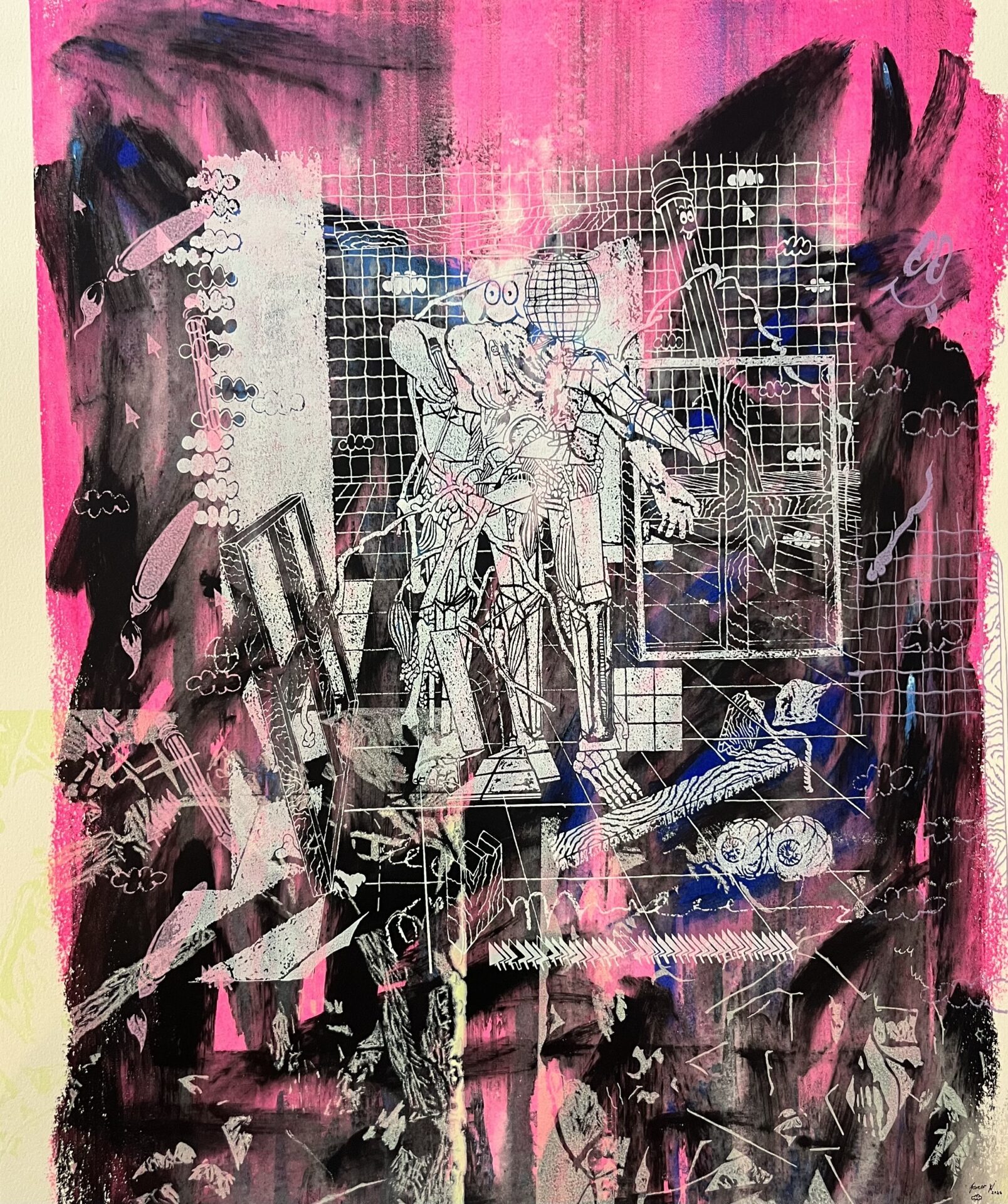
Caleb G. Leyva works with multi media in his work, such as paper, plastic, yarn, and found objects. All recycled items. He loves to design t-shirts and posters with clever titles. He is 5’7″ tall and lives in Mexico City. He recently cut his hair very short after 22 years of really long hair. This was part of being brave but more curious.